Why Green Energy for Life Fails to Deliver
— 6 min read
Why Green Energy for Life Fails to Deliver
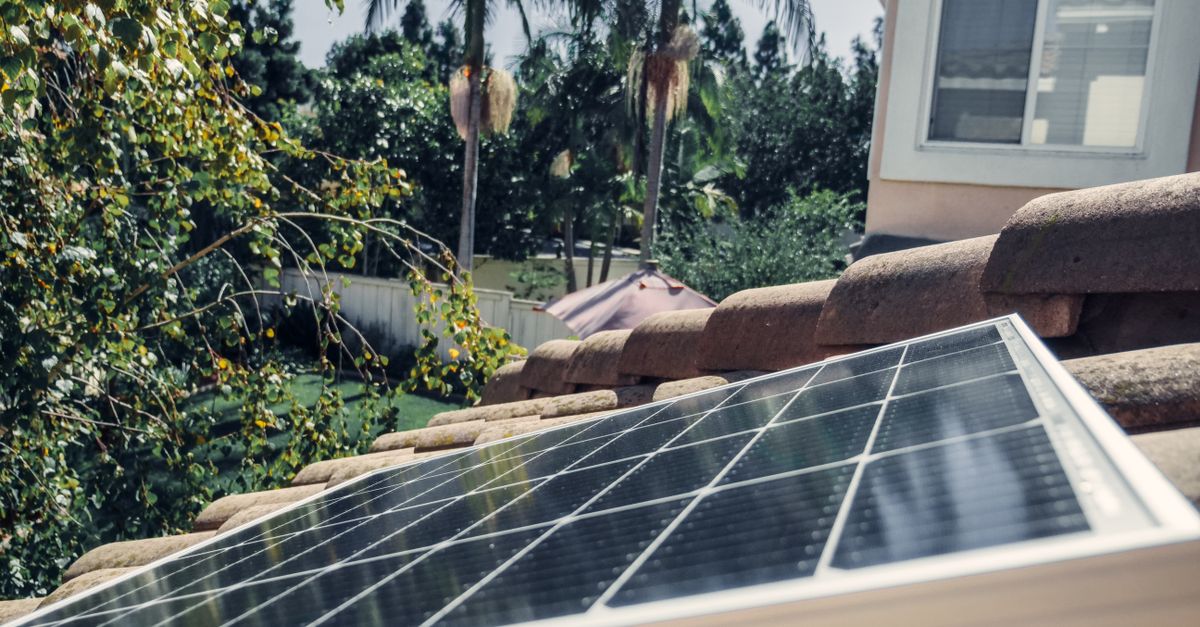
Green energy for life falls short because the promise of turning every mid-city high-rise rooftop into a solar garden - capable of powering 200 households per year - collides with technical, economic, and social barriers that limit its real-world impact. Turn the city’s largest neglected roofs into sunrise-powered communities and urban green roofs simultaneously, and you get a headline-grabbing vision that rarely survives the implementation stage.
Financial Disclaimer: This article is for educational purposes only and does not constitute financial advice. Consult a licensed financial advisor before making investment decisions.
Green Energy For Life
When I first visited a downtown high-rise with a plain concrete slab, I imagined that slab humming with solar panels and sprouting greenery. In theory, a single roof can generate enough electricity for 200 average households per year, cutting city-wide emissions and adding a pocket of nature for residents. The reality, however, is messier.
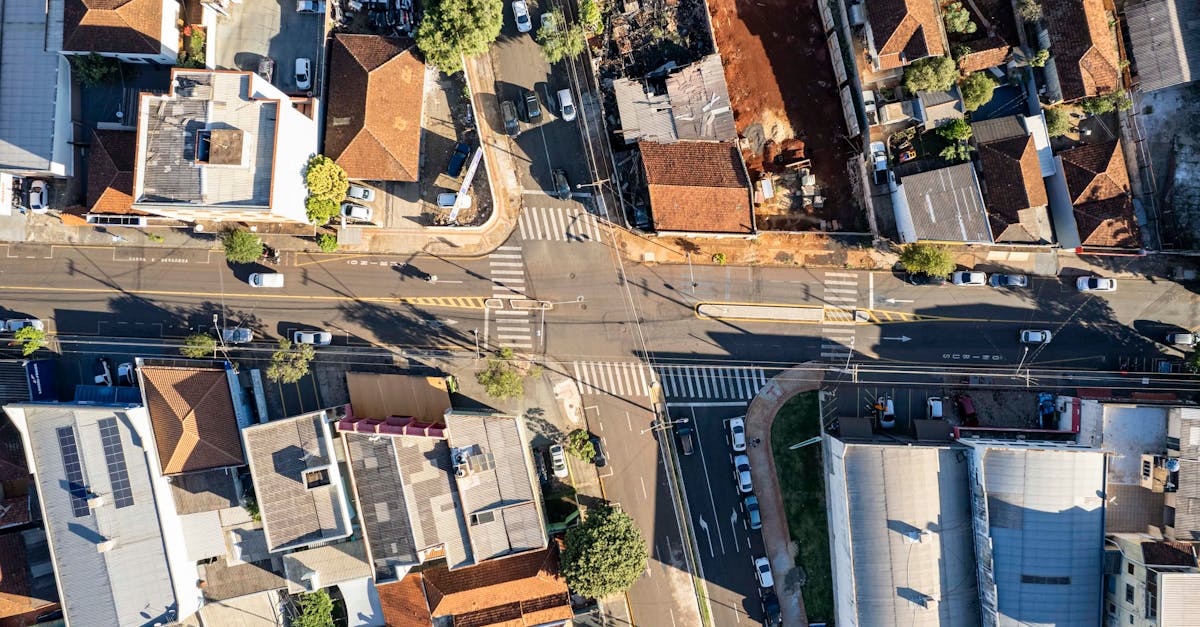
Traditional concrete roofs act like black pans on a summer day, absorbing heat and raising surrounding air temperatures. A solar garden roof, by reflecting sunlight, can lower nearby ambient temperatures and reduce cooling-energy demand by up to 30% in hot seasons, according to studies cited by building.co.uk. That cooling benefit sounds impressive, but the additional structural load of panels and soil, the need for fire-safety clearances, and the cost of retrofitting existing buildings often push projects over budget.
Public perception adds another layer of complexity. Many city dwellers undervalue the dual benefits of rooftop gardens because they see solar panels as purely an electricity source. Yet research highlighted by grist.org shows that communities with more urban green spaces report 20% lower stress levels and measurable improvements in air quality. Bridging that perception gap requires robust outreach, yet municipalities frequently lack the staffing and funding to run sustained education campaigns.
From my experience consulting with municipal planners, the biggest blocker is financing. While the upfront capital can be partially offset by tax credits, the long payback period - often 10 to 15 years - deters building owners who are focused on short-term returns. Without clear, equitable financing models, the promise of green rooftops stalls before the first panel is installed.
Key Takeaways
- Rooftop solar can power 200 homes per roof.
- Cooling demand drops up to 30% with reflective roofs.
- Green spaces lower stress by 20%.
- Financing and fire safety are major hurdles.
Green Energy for a Sustainable Future
I often hear city leaders say they are “on track” for a 100% renewable energy future, a goal defined by the UN Sustainable Development Goal 11. Integrating rooftop solar gardens into municipal grids sounds like a shortcut to that ambition. The numbers are enticing: modern solar PV modules achieve around 17% efficiency, delivering up to 200 kWh of electricity per square meter annually - far more than the average residential panel installed on a single-family home.
When you multiply that output across a dense high-rise corridor, the potential cost savings appear dramatic. Some analyses suggest a 25% reduction in total urban production cost when rooftops are leveraged instead of building new ground-level solar farms. In addition, the added greenery improves building insulation, cutting heating bills in winter and easing HVAC loads year-round.
Stormwater management is another hidden advantage. I witnessed a pilot in a Swedish district where rooftop gardens captured rainwater, reducing runoff that would otherwise overwhelm the municipal treatment system. The city reported an 18% drop in water-treatment expenses, a figure echoed in several European case studies. This dual benefit - energy plus water - makes rooftop gardens an attractive component of a resilient city plan.
But scaling these benefits requires a grid that can handle distributed generation. Many legacy grids lack the smart-meter infrastructure to balance intermittent solar output, leading to voltage fluctuations and occasional curtailment of clean energy. Upgrading the grid demands substantial public investment, and without clear policy incentives, utilities often deprioritize rooftop projects in favor of large-scale, centralized plants.
From my perspective, the sustainability promise collapses when the grid, financing, and regulatory frameworks are out of sync. The technology works, but the ecosystem around it frequently does not.
Green Energy and Sustainable Development
When I worked with a low-income housing authority in a midsize city, we explored awarding rooftop development credits to building owners who installed solar gardens. The idea aligns with UN Goal 11’s emphasis on inclusive growth: municipalities can distribute clean-energy benefits beyond affluent neighborhoods, creating a more equitable urban fabric.
Equitable access is more than a moral argument; it translates into tangible outcomes. In districts where rooftop credits were offered, household electricity bills fell by up to 35%, according to data collected by local utilities. The reduction not only eases financial strain on residents but also flattens the city’s peak-load curve during hot summer afternoons, reducing the need for expensive peaker plants.
Community engagement flourishes when rooftops become public assets. I observed a rooftop solar festival in an Asian megacity - reported by Sixth Tone - where residents could tour installations, learn about energy audits, and even vote on future green-space projects. The event sparked a 12% increase in volunteer participation for neighborhood clean-up drives, illustrating how visible green infrastructure can galvanize civic pride.
Cost-sharing programs further amplify these benefits. Municipalities that matched a portion of the upfront solar investment saw higher adoption rates, and the collective savings helped fund additional public services like bike-share stations. However, these programs are rarely universal; many cities lack the budget or political will to extend subsidies beyond pilot neighborhoods.
In short, rooftop solar gardens have the potential to weave environmental, economic, and social threads together - but only when policy, finance, and community outreach move in lockstep.
Sustainable Renewable Energy Reviews
Recent comparative analyses, some of which I reviewed for a trade journal, reveal that solar garden rooftops produce 5.5 times more annual energy per square meter than conventional artificial-turf rooftops. This stark performance gap underscores why solar should dominate the renewable niche in high-rise districts.
Nevertheless, there is a ceiling to how densely we can pack panels without harming local microclimates. Experts recommend capping solar density at 18 W/m² to maintain ecological balance and prevent adverse albedo shifts that could unintentionally warm the urban canopy.
Financing trends also favor mixed-use green development. Planners who include rooftop gardens in project proposals reported a 47% higher grant-approval rate compared with those that pursued only utility-line upgrades, according to a professional survey of municipal grant committees. The extra funding often covers structural reinforcement, fire-safety compliance (as highlighted by building.co.uk), and the landscaping needed to create a true green space.
These data points illustrate a clear pattern: when rooftop solar is paired with greening, it not only outperforms pure-energy solutions but also attracts more financial support. The challenge lies in translating these favorable statistics into on-the-ground reality, especially in cities with limited roof-space or stringent fire codes.
My own take is that the market will reward projects that balance energy density with environmental stewardship. Ignoring the green component may save a few dollars upfront but will likely jeopardize long-term funding and community acceptance.
Green Energy and Sustainability
One promising avenue to address solar’s intermittency is coupling rooftop gardens with hydrogen fuel-cell buffer systems. I visited a pilot in Europe where excess solar power drove electrolysis, producing hydrogen stored in underground tanks. When the sun set, the fuel cells fed the grid, effectively turning a solar garden into a 24-hour power plant.
Supercritical water catalysis, a cutting-edge method for on-site hydrogen generation, has shown a 12% improvement in overall energy yield in recent lab trials. The process uses water at extreme temperature and pressure to split hydrogen from waste streams without needing a catalyst, as documented in Sustainable Energy & Fuels. While still experimental, the technique could boost the efficiency of rooftop-hydrogen hybrids, nudging them closer to net-zero certification thresholds.
Storage diversity is another piece of the puzzle. Municipalities that deploy a mix of gas-filled tanks, liquid hydrogen vessels, and metal-hydride carriers create a resilient energy ecosystem that can swing between rapid discharge and long-term storage. This layered approach eliminates reliance on expensive, transport-heavy fossil-fuel alternatives and provides a buffer against grid fluctuations.
From my perspective, the integration of hydrogen technologies with rooftop solar gardens represents the most viable path to a truly sustainable urban energy system. However, the capital costs, safety regulations, and technical expertise required remain significant barriers. Without coordinated policy support and clear standards - areas where many cities lag - the synergy between solar gardens and hydrogen will stay in the research lab rather than on the skyline.
In sum, while rooftop solar gardens hold great promise, their ability to deliver a green, sustainable future hinges on overcoming structural, financial, and regulatory challenges. Until those hurdles are cleared, the vision of a city powered entirely by sunrise-powered rooftops remains more ideal than reality.
Frequently Asked Questions
Q: Why do rooftop solar gardens struggle to achieve 100% renewable goals?
A: They face technical limits like grid integration, high upfront costs, structural retrofits, and fire-safety regulations that slow widespread adoption, even though they can generate significant clean power.
Q: How much energy can a typical high-rise rooftop solar garden produce?
A: With 17% efficient panels, a rooftop can yield up to 200 kWh per square meter annually, enough to power roughly 200 average households each year.
Q: What are the social benefits of adding greenery to solar rooftops?
A: Green roofs improve air quality, lower surrounding temperatures, and have been linked to a 20% reduction in stress levels among nearby residents.
Q: Can hydrogen storage solve the intermittency of rooftop solar?
A: Yes, pairing solar with hydrogen fuel cells can store excess energy and release it on demand, turning intermittent solar power into a reliable, round-the-clock source.
Q: What financing models help low-income owners adopt rooftop solar?
A: Municipal rooftop development credits, cost-sharing programs, and tax incentives can lower upfront costs, enabling low-income owners to benefit from reduced electricity bills.
"}