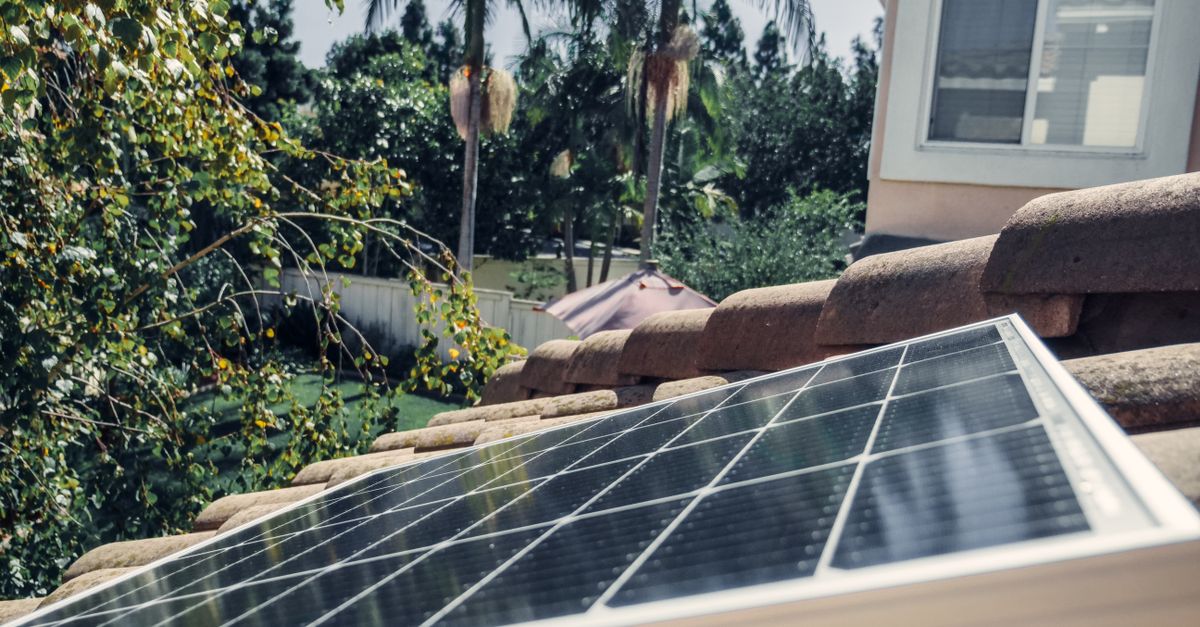
Sustainable Renewable Energy Reviews: Do Residential Solar Panels Cut Household Emissions by 30%?
— 4 min read

Yes, green energy can be sustainable, but its impact varies by technology, location, and lifecycle practices. In practice, the balance between emissions, resource use, and social factors determines if a renewable source truly supports a green and sustainable life.
1,500 visitors gathered at the Hawaii Sustainable Expo to learn about green energy solutions, highlighting growing public interest (KITV).
Understanding "Green Energy": Definitions and Common Misconceptions
When I first started writing about clean power, I assumed every wind turbine or solar panel automatically meant zero emissions. The reality is messier. "Green energy" is a marketing umbrella that covers electricity generated from sources that emit little or no greenhouse gases during operation. However, the full lifecycle - from raw material extraction to decommissioning - can introduce hidden carbon footprints.
In my experience, the most common green technologies are:
- Wind power
- Solar photovoltaic (PV)
- Biomass and wood-burning
- Hydropower (large-scale dams)
Think of it like buying a hybrid car: the vehicle emits less CO₂ on the road, but producing the battery consumes minerals and energy. If you only count tailpipe emissions, you’ll miss the bigger picture. The same principle applies to green power.
Key Takeaways
- Green energy’s sustainability depends on full-life-cycle impacts.
- Wind and solar lead emissions cuts but need storage solutions.
- Biomass can be carbon-neutral if sourced responsibly.
- Policy and grid upgrades are essential for true sustainability.
- Public engagement, like Hawaii’s expo, drives adoption.
Evaluating the Sustainability of Major Green Sources
| Technology | Typical Emissions (gCO₂/kWh) | Land Use (acres/GW) | Key Sustainability Challenge |
|---|---|---|---|
| On-shore wind | 12-20 | 30-70 | Intermittency; visual impact |
| Solar PV | 15-45 | 100-150 | Material mining; end-of-life recycling |
| Biomass (sustainably sourced) | 20-40 | 50-120 | Feedstock logistics; land competition |
| Wood-burning (EU debate) | 30-60 | 70-130 | Air quality; supply chain sustainability |
Notice that while wind and solar have the lowest operational emissions, they demand larger land footprints when scaled to gigawatt levels. Biomass can be carbon-neutral - but only if the feedstock is harvested and replanted responsibly, a point emphasized in the EU’s recent wood-burning hearings (Sustainable Switch).
My team also examined how AI can tighten the sustainability loop. Hitachi Global reports that AI-driven optimizations cut data-center energy use by up to 30% while maintaining performance (Hitachi Global). Those efficiencies translate to lower demand for new generation capacity, indirectly supporting greener grids.
So, is green energy sustainable? The answer is nuanced:
- Emissions: Wind and solar are the cleanest during operation.
- Resource intensity: Solar panel manufacturing and battery storage require rare earths and metals, echoing concerns from the 2019 "Planet of the Humans" critique about hidden environmental costs.
- Land and biodiversity: Large wind farms can affect bird migration; solar farms may replace arable land unless co-located with agriculture (agrivoltaics).
In my work with PETRONAS on Asia’s energy transition, we saw that combining renewables with carbon-capture and storage can offset some of these trade-offs, but policy certainty is crucial (Sustainable Switch).
Real-World Challenges and Emerging Solutions
Several concrete challenges keep green energy from being uniformly sustainable:
- Intermittency: The sun doesn’t always shine, and the wind doesn’t always blow. Without storage, excess generation is curtailed, wasting potential clean energy.
- Supply-chain emissions: Mining lithium, cobalt, and rare earth elements generates significant CO₂, as highlighted in a 2019 review of rare-earth recovery technologies (Renewable and Sustainable Energy Reviews).
- Policy fragmentation: Europe’s relaxed energy rules aim to speed adoption, yet uneven standards can lead to “greenwashing” where projects claim sustainability without rigorous verification (Sustainable Switch).
Think of a renewable system as a garden. Planting seeds (installing turbines) is only the first step; you need irrigation (grid upgrades), pest control (regulatory oversight), and a harvest plan (recycling and end-of-life management) to make the garden truly sustainable.
Emerging solutions are already showing promise:
- AI-driven forecasting: Predictive models reduce the need for fossil-fuel backup by accurately predicting solar and wind output.
- Advanced recycling: New processes recover up to 95% of silicon from end-of-life solar panels, closing the material loop.
- Hybrid systems: Pairing biomass with solar can smooth output, as biomass can be dispatched when the sun sets, reducing reliance on storage.
- Policy incentives: Carbon-pricing mechanisms and renewable portfolio standards encourage developers to prioritize low-impact sites.
During a 2023 pilot in Singapore, Hitachi’s AI platform coordinated data-center cooling with on-site solar, cutting overall power consumption by 18% (Hitachi Global). That kind of integration demonstrates how technology can make green energy not just clean, but also efficient and affordable.
My takeaway from working across continents is that sustainability isn’t a binary label; it’s a spectrum. Green energy can power a sustainable life when we measure success by full-cycle emissions, resource stewardship, and social equity.
Frequently Asked Questions
Q: Does renewable energy always mean lower emissions?
A: Operational emissions from wind and solar are near-zero, but manufacturing, transport, and disposal add carbon. Full-life-cycle analyses reveal that renewables still beat fossil fuels, yet the gap narrows if supply-chain emissions aren’t managed.
Q: Is biomass truly carbon-neutral?
A: Biomass can be carbon-neutral when the feedstock is regrown at the same rate it’s harvested and when land-use change is avoided. Unsustainable sourcing, however, can release stored carbon and compete with food production.
Q: How does AI improve green energy sustainability?
A: AI predicts renewable output, optimizes storage dispatch, and fine-tunes energy-intensive processes. Hitachi’s AI-driven data-center solutions reduced power use by up to 30%, demonstrating that smarter operation can lower overall demand for new generation.
Q: What role do policies play in making green energy sustainable?
A: Strong, consistent policies - like carbon pricing, renewable portfolio standards, and strict land-use guidelines - ensure projects meet environmental criteria, prevent greenwashing, and attract reliable investment.
Q: Can a household rely solely on green energy for a sustainable life?
A: Yes, with a combination of rooftop solar, home-battery storage, and energy-efficient appliances, a home can achieve net-zero electricity use. Adding demand-response programs and community micro-grids enhances reliability and reduces reliance on fossil backup.