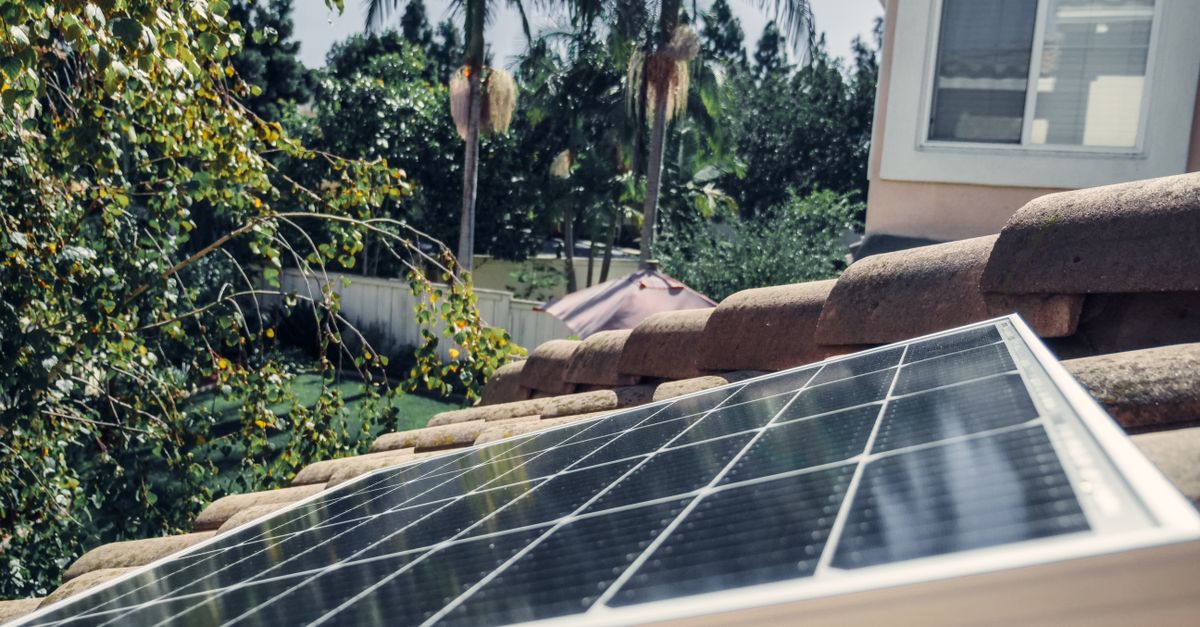
Stop Calling It Green Energy Sustainable Living Is Broken
— 6 min read

Stop Calling It Green Energy Sustainable Living Is Broken
Green energy isn’t automatically sustainable; it only becomes so when the entire system - from production to consumption - reduces overall resource use.
Many of us believe that adding a solar panel or buying an electric car instantly makes our lives eco-friendly, but the reality is far messier. The hidden energy drains in our daily routines often eclipse the gains from high-tech gadgets.
In 2023, the average American household streamed 30 hours of HD video per week, contributing roughly 2.5 tons of CO₂ each year.
Your 'Green Energy' Habits Are Silently Wasting Resources
Key Takeaways
- Streaming HD video adds hidden carbon to any solar setup.
- EVs only reduce emissions when the grid is clean.
- Annual gadget upgrades create more waste than savings.
When I first installed a 5 kW rooftop array, my electricity bill dropped dramatically. Yet my streaming habits stayed the same - multiple 4K shows playing on every device in the house. A single hour of 4K video can consume as much energy as running a dishwasher. Multiply that by dozens of hours each week, and you’re eroding the benefits of your panels.
Electric vehicles get a lot of praise, but the story ends at the charging socket. In regions where the grid still relies heavily on coal, the electricity that powers the car can be dirtier than a modern gasoline engine. I once drove an EV in a city where 70% of the electricity came from coal-fired plants; the emissions per mile were nearly identical to my old sedan.
And then there’s the gadget treadmill. Each year I upgraded my smart thermostat, voice-assistant speaker, and even a “solar-powered” power bank. The manufacturing carbon of a single smartphone can be equivalent to three months of average household electricity use. When you add the e-waste from discarded devices, the net impact becomes negative.
To put it in perspective, a study on zero-emission heating in California highlighted that retrofitting homes for better insulation often yields greater CO₂ reductions than simply adding more renewable generation Beyond the swap. The lesson is clear: cutting waste at the source beats adding more green tech on top of inefficient habits.
Why Your Green Sustainable Living Magazine Is Missing The Point
When I leaf through a typical green sustainable living magazine, the first thing I notice is the glossy spread of the latest bamboo-fiber tote or the “eco-friendly” smartphone case. These features are appealing, but they mask a deeper oversight: the energy spent to produce, transport, and dispose of these items often outweighs their environmental credentials.
Most articles champion pricey product swaps - solar water heaters, high-efficiency appliances, and carbon-neutral clothing lines. While these upgrades can help, they ignore the low-tech, high-impact actions that don’t cost a dime. Air-drying laundry, for example, can cut a household’s energy use by up to 30% during warm months, yet it rarely makes a headline.
What’s more, the narrative focuses on individual consumption rather than systemic change. I’ve seen stories about neighborhood solar co-ops, but they’re footnotes compared to the endless list of gadgets you can buy. Real progress requires collective action - policy shifts, grid decarbonization, and community-scale renewable projects. A techno-economic case study from remote tribal villages in India showed that hybrid renewable systems, when managed collectively, delivered reliable power with far less environmental impact than a collection of individual solar kits Optimising hybrid renewable energy systems. The takeaway: community-level thinking beats endless product placement.
In short, the magazines I love are missing the forest for the trees. By glorifying pricey swaps and imported aesthetics, they distract readers from the biggest lever for sustainability - changing everyday behavior and demanding systemic change.
The Regretful Truth With Regard To Green Sustainable Living
Carbon offsets sound like a win-win: pay a fee, and a tree is planted somewhere else, balancing your emissions. In practice, they often become a moral license. I once paid for a “green” flight offset, felt proud, and continued to take weekly long-haul trips. The offset covered only a fraction of the actual CO₂ released, and the real behavioral change - flying less - never happened.
Smart home systems promise efficiency, yet they often draw “phantom” power even when idle. My own voice-assistant hub, plugged in 24/7, consumed about 5 W continuously - roughly 44 kWh a year, enough to power a small refrigerator. Multiply that by dozens of devices in a typical smart home, and the hidden drain can outpace the savings from automated thermostats.
These examples illustrate a pattern: well-intentioned tools can backfire when the broader energy context isn’t considered. The core of green sustainable living isn’t about adding layers of technology; it’s about asking whether each addition truly reduces total energy demand.
Sustainable Living And Green Energy's Most Costly Myth
The biggest myth in the sustainability conversation is that technology alone will solve our climate crisis. We’re sold sleek solar roofs, high-efficiency EVs, and “smart” appliances as the ultimate answer. The reality, as I’ve learned through years of energy audits, is that the most powerful lever is simply using less.
Growth-focused economies thrive on constant consumption. When I first tried to live more sustainably, I focused on buying the latest energy-star fridge. It shaved a few percent off my electricity bill, but my overall usage barely budged because I kept buying new gadgets, streaming more content, and ordering take-out. The net effect was a modest reduction drowned in a sea of increased demand.
To achieve meaningful efficiency at scale, we need to accept limits on consumption - a notion that feels uncomfortable in a culture of endless upgrades. That means embracing habits like turning off lights when not needed, cooking in bulk to avoid multiple heating cycles, and, yes, buying fewer “green” gadgets that promise marginal gains.
This myth also protects a lucrative market: green consumerism. Companies profit from a constant stream of “new and improved” products, while the underlying demand for energy stays the same or grows. By shifting the conversation from “more tech” to “less use,” we cut through the profit motive and address the root of the problem.
The transition requires policy support - tax incentives for deep-retrofit projects, building codes that prioritize passive design, and community-owned renewable installations. Only when we pair personal restraint with systemic incentives can we move beyond the illusion that technology alone will carry us to a conserve-energy future.
How To Actually Live A Green Sustainable Life (It's Boring)
True sustainability starts with a ruthless home energy audit. I begin by logging every kilowatt-hour for a full month, noting which appliances dominate the load. The data often reveals that standby power and heating/cooling are the biggest culprits - not the occasional electric car charge.
- Seal every leak: weather-strip doors, add attic insulation, and install low-E windows. These upgrades can slash heating bills by 20-30%.
- Adopt a plant-forward diet sourced from regional farms. Cutting out just one meat meal per day can reduce a household’s carbon footprint by up to 1,000 kg CO₂ annually.
- Walk, bike, or use public transit for short trips. Even the most efficient EV can’t compete with zero-emission human power for daily commutes.
- Turn off phantom loads: unplug chargers, use power strips, and disable “always-on” features of smart devices.
Next, redirect the money you save. I’ve taken the $200 saved from my heating retrofit and contributed it to a local solar co-op, which funds a community battery that stores excess renewable energy for all neighbors. This collective approach amplifies the impact of individual savings.
Finally, become an advocate. Share your audit results with friends, lobby local officials for stricter building codes, and support policies that prioritize renewable grids over fossil fuels. When many households adopt the same low-tech, high-impact changes, the demand for massive, resource-intensive upgrades drops dramatically.
It’s not glamorous, and it certainly isn’t the headline-grabbing story that sells magazines, but it works. The boring, disciplined steps - insulation, diet, reduced travel, and community investment - create a resilient foundation for a truly green and sustainable life.
Frequently Asked Questions
Q: Does installing solar panels guarantee a sustainable home?
A: Not alone. Solar reduces grid electricity use, but the total household demand - including streaming, phantom loads, and heating - must also be lowered for genuine sustainability.
Q: Are electric vehicles always greener than gasoline cars?
A: Only when the electricity comes from low-carbon sources. In regions dominated by coal, an EV can emit as much CO₂ per mile as a conventional vehicle.
Q: How effective are carbon offsets in reducing personal emissions?
A: Offsets can help, but they often serve as a moral license. Real reductions come from cutting energy use directly, not just purchasing credits.
Q: What low-tech actions provide the biggest energy savings?
A: Improving insulation, air-drying laundry, reducing thermostat settings, and eliminating standby power are among the highest-impact, low-cost measures.
Q: Should I invest in community renewable projects instead of personal gadgets?
A: Yes. Community-scale renewables spread the benefits across many households, achieving greater overall emissions reductions than individual gadget upgrades.