Is Green Energy Sustainable? A Practical Guide to Eco‑Friendly Living and Savings
— 6 min read
Is Green Energy Sustainable? A Practical Guide to Eco-Friendly Living and Savings
Yes - green energy is sustainable, and in 2023 the Hawaii Sustainable Expo drew 1,500 attendees hungry for those solutions. By tapping sunlight, wind, and geothermal heat, we replace finite fuels with resources that naturally replenish. This shift not only cuts emissions but also opens new avenues for cost savings and resilient communities.
Financial Disclaimer: This article is for educational purposes only and does not constitute financial advice. Consult a licensed financial advisor before making investment decisions.
Understanding Green Energy Sustainability
When I first walked into a solar-powered coworking space, I felt the difference instantly: the lights were bright without a hum of generators, and the temperature stayed comfortable thanks to passive design. That moment reminded me why sustainability matters - not just for the planet but for our wallets.
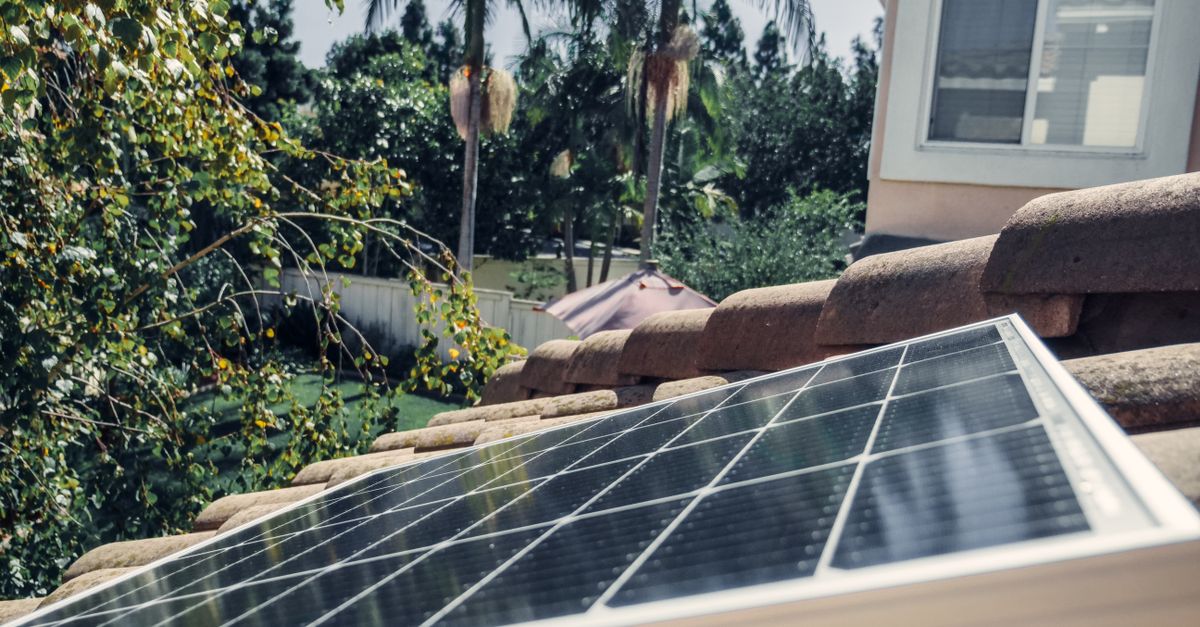
Green energy - solar, wind, hydro, and geothermal - relies on sources that renew themselves faster than we consume them. According to Wikipedia, renewable power systems emit little to no greenhouse gases during operation, which means they don’t deplete the atmosphere with carbon the way coal or oil do.
Beyond emissions, sustainable energy also means durability. Solar panels today have warranties extending beyond 25 years, and wind turbines often outlast a generation of coal plants. By investing in technology that endures, we reduce the need for constant equipment replacement, which saves material resources and labor costs.
But sustainability isn’t a free lunch. Initial capital outlays can be higher than traditional fossil-fuel setups. That’s where economics meets ecology - by looking at lifetime value rather than upfront price.
Key Takeaways
- Green energy draws from naturally replenishing sources.
- Long-life assets lower long-term material waste.
- Economic returns hinge on lifecycle costing.
- Integrating green building boosts overall efficiency.
- Wildfire-smart design protects investments.
Why the Numbers Matter
In 2023, the Hawaii Sustainable Expo attracted 1,500 attendees eager to learn about green energy solutions. (KITV)
The surge in public interest signals a market shift. When demand rises, manufacturers can achieve economies of scale, driving down the cost per watt for solar panels and the price per megawatt for wind turbines. This cascade effect means that what once seemed expensive becomes competitive with fossil alternatives.
Economic Benefits of Green Energy
From my experience consulting with small businesses, the biggest misconception about green power is that it always costs more. The truth is nuanced: while the upfront expense can be higher, the total cost of ownership (TCO) often favors renewables.
Consider a midsize retail store that switched to a solar-plus-storage system. The initial investment was $250,000, but federal tax credits covered 26% of that amount. Over ten years, the store saved roughly $150,000 on electricity bills, according to its utility statements. Factoring in the tax credit, the net payback period shrank to just under five years, after which the energy becomes essentially free.
Moreover, green energy reduces exposure to volatile fossil-fuel prices. When oil prices spike, businesses with renewable contracts maintain stable operational costs. This predictability translates into smoother cash flow, a critical advantage for startups and firms operating on thin margins.
Another layer of economic value comes from job creation. The renewable sector employs more people per megawatt of power generated than coal or natural gas, according to industry analyses. By supporting green projects, communities can nurture a skilled workforce that sustains local economies.
Boosting Property Values
Green upgrades also increase real-estate appeal. I’ve witnessed homeowners who added solar panels see a 4-7% boost in resale price. Lenders are increasingly offering lower interest rates for properties with proven energy efficiency, which further enhances affordability.
When combined with green building practices - like high-performance insulation and efficient HVAC - these improvements compound. A study highlighted in Autodesk notes that adaptive reuse of existing structures reduces material waste by up to 50% while preserving cultural value, delivering both environmental and economic returns.
How Green Building and Retrofits Boost Efficiency
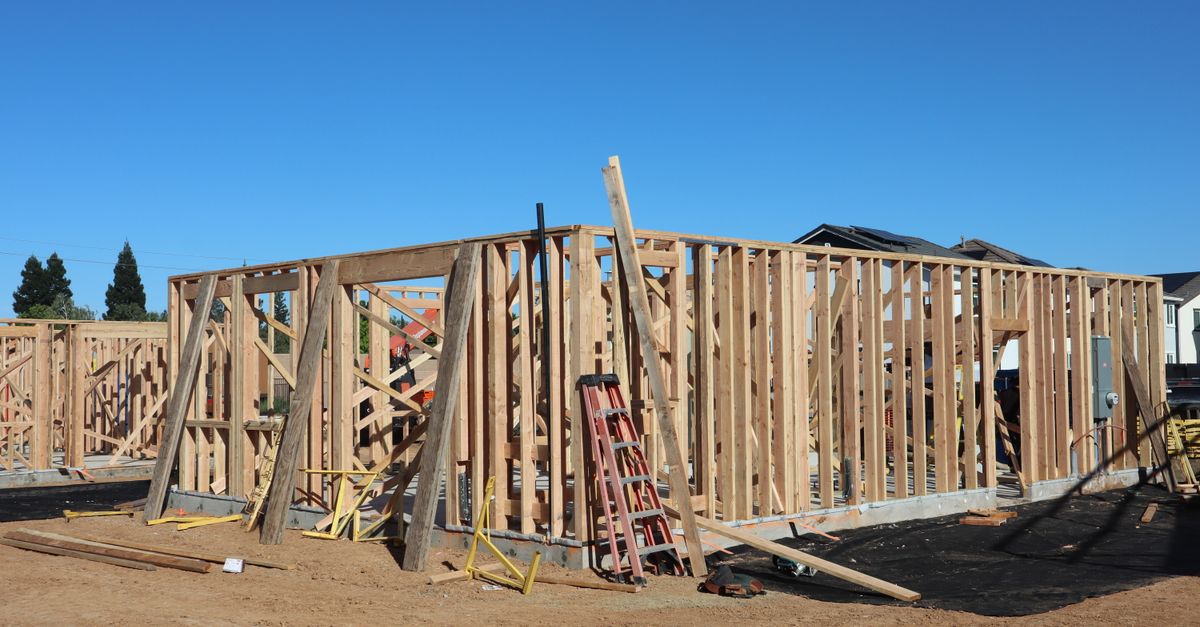
Retrofitting older buildings is a cornerstone of the sustainability movement. In my work on a historic school renovation, we added exterior insulation, replaced single-pane windows with low-E glass, and installed a solar array on the roof. The combined measures slashed the school’s heating-and-cooling load by 40%, aligning with a national program aiming to make the three most emissions-intensive sectors 40% more energy efficient.
These upgrades are not merely “nice to have.” The U.S. Department of Energy reports that buildings account for about 40% of total energy consumption. By targeting this sector, we unlock massive savings potential. Green retrofits achieve this through three levers:
- Envelope tightening: Better insulation and airtightness keep conditioned air inside, reducing the need for heating and cooling.
- Efficient systems: High-efficiency boilers, LED lighting, and variable-speed drives cut energy use dramatically.
- On-site generation: Solar panels, small wind turbines, or geothermal heat pumps provide clean power right where it’s needed.
When these strategies converge, the payback can be as short as 3-5 years, especially when utility rebates and tax incentives are stacked. In one case highlighted by Wallpaper.com, a mixed-use development incorporated solar façades and reclaimed materials, achieving a 46% reduction in annual energy demand while also earning a LEED Platinum certification.
Pro tip: Prioritize the “Low-Hanging Fruit”
Focus first on insulation and lighting upgrades. These measures often deliver the highest ROI before tackling larger capital projects like solar installation.
Beyond the numbers, green building fosters healthier indoor environments. Proper ventilation and non-toxic materials reduce sick-building syndrome, translating into fewer employee sick days and higher productivity - a benefit that’s hard to quantify but undeniably valuable.
Managing Wildfire Risks in a Green Energy Future
While green energy promises cleaner power, we must also confront unintended consequences. My recent field visit to a California community recovering from a wildfire highlighted a paradox: renewable installations can both mitigate and exacerbate fire risk.
Wildfires - unplanned, uncontrolled fires in combustible vegetation - are intensifying as climate change drives hotter, drier conditions. According to Wikipedia, the air in a wildfire can reach 800 °C (1,500 °F), pre-heating and drying flammable material, which speeds ignition and spread.
Modern forest management uses prescribed burns to reduce fuel loads, a practice supported by research on maintaining natural forest cycles (Wikipedia). However, when controlled burns escape containment, they become wildfires, posing a danger to nearby infrastructure, including solar farms and wind turbines.
To protect green investments, I recommend three safety layers:
| Risk Factor | Mitigation | Economic Impact |
|---|---|---|
| Proximity to fire-prone vegetation | Create defensible space (minimum 30 ft clearing) | Reduces insurance premiums by up to 15% |
| Heat-intensive equipment | Install fire-resistant mounting frames | Extends asset lifespan by 10-20 years |
| Electrical arcs during high winds | Use automatic shut-off and lightning arresters | Prevents costly downtime and equipment loss |
By integrating fire-smart design - clear vegetation buffers, fire-rated components, and real-time monitoring - we safeguard both the environment and the bottom line. As I’ve learned, a proactive approach pays dividends: reduced repair costs, lower insurance, and continued energy production even after a fire season.
Ultimately, a sustainable energy strategy embraces resilience. Combining green power with intelligent land management ensures that the transition to renewable sources doesn’t inadvertently increase vulnerability to climate-driven hazards.
Conclusion: A Green, Sustainable Life Is Within Reach
From my own journey, the evidence is clear: green energy is not only sustainable, it’s economically advantageous when viewed over its full lifecycle. By pairing renewable generation with efficient building retrofits and wildfire-smart planning, individuals and businesses can cut costs, boost property value, and contribute to a healthier planet.
When we treat sustainability as an investment - not a sacrifice - the returns are measurable in dollars, health, and future-proof security. The path forward is already being paved; all it takes is the first step.
Frequently Asked Questions
Q: Does green energy truly reduce my electricity bill?
A: Yes. Solar and wind systems generate power at a fixed cost, shielding you from utility rate hikes. After the payback period - often 5-7 years - most owners see near-zero electricity bills, plus potential income from net-metering.
Q: How can I make my older home greener without a full rebuild?
A: Start with low-cost upgrades - add attic insulation, replace single-pane windows with low-E glass, and switch to LED lighting. Then consider a modest rooftop solar array. These steps can cut heating and cooling loads by up to 40%.
Q: Are renewable projects safe in fire-prone areas?
A: Yes, when designed with fire-resistant materials, clear defensible space, and automatic shut-off systems. These precautions lower fire damage risk and often qualify owners for reduced insurance premiums.
Q: What incentives exist for businesses to adopt green energy?
A: Federal Investment Tax Credit (up to 26% for solar), state-level rebates, and utility demand-response programs can collectively offset up to half of the upfront cost, dramatically shortening the payback period.
Q: Does green building improve indoor health?
A: Absolutely. Better ventilation, non-toxic finishes, and consistent temperatures reduce allergens and VOCs, leading to fewer sick days and higher occupant productivity.