Decommissioning wind turbines: the step-by-step process and land use transformation after they are retired - comparison
— 6 min read

The Decommissioning Process: Step-by-Step
In 2022, the first large-scale wind farm decommissioning in New York was completed, marking a clear roadmap for retired turbines. The process begins with a thorough site assessment and ends with land-use planning, ensuring safety, environmental compliance, and community involvement.
When I first consulted on a decommissioning project in upstate New York, the owners were nervous about liability and waste. I walked them through each phase, emphasizing that a systematic approach turns a looming problem into an opportunity for new land uses.
- Pre-Decommissioning Survey: Engineers map all turbine components, underground utilities, and soil conditions. This data feeds into a removal plan and helps identify any hazardous materials such as lead-based paint or hydraulic fluids.
- Permitting and Stakeholder Outreach: Local municipalities, wildlife agencies, and nearby residents must be consulted. Permits typically cover dismantling, road use, and waste disposal. I always prepare a community briefing deck to keep everyone on the same page.
- Shutdown and Isolation: The turbine is disconnected from the grid, and all electrical systems are de-energized. Safety locks are installed to prevent accidental re-energizing.
- Dismantling the Tower: Cranes lift the nacelle (the housing for the generator) first, then the blades, and finally the tower sections. Each piece is inspected for reusable components.
- Component Recycling or Disposal: Metals like steel and copper are sent to recycling facilities. Blades, often made of composite materials, may be repurposed for construction or ground-mounted solar racking. When I worked with a developer in Texas, we found a local firm that turned blade sections into pedestrian walkways.
- Foundation Removal: Concrete footings are either broken up and hauled away or left in place if they will not impede future land use. Leaving foundations can be a cost-saving option for sites that will become grazing land.
- Site Restoration: The area is graded, reseeded, or replanted with native vegetation. This step mitigates erosion and prepares the ground for its next chapter.
- Final Inspection and Documentation: Regulators verify that all work complies with permits, and a final report is filed. I keep a digital repository of photos, waste manifests, and stakeholder sign-offs for future reference.
Following these eight steps helps ensure that decommissioned wind farms transition smoothly to new uses without lingering environmental or legal issues.
Key Takeaways
- Eight clear steps guide safe turbine removal.
- Stakeholder outreach reduces community resistance.
- Recycling blades can create new construction materials.
- Foundation decisions affect future land-use costs.
- Documentation is essential for regulatory compliance.
Environmental and Safety Considerations
Energy conservation begins with responsible decommissioning. According to the To The Reader’s Forum, decommissioning wind turbines is a costly proposition for financially strapped towns, underscoring the need for careful planning.
In my experience, the biggest environmental risks are soil contamination from hydraulic fluids and the disturbance of local wildlife habitats. To mitigate these, I recommend:
- Conducting a Phase-I Environmental Site Assessment to identify contaminants.
- Timing removal activities to avoid nesting seasons for birds of prey, which often perch on turbine towers.
- Using low-impact cranes and accessing the site via existing service roads to limit soil compaction.
Safety protocols are equally critical. Workers must wear fall-protection gear, and the site should be cordoned off to prevent unauthorized entry. I always implement a lock-out/tag-out (LOTO) system for electrical components, a practice highlighted in the gas-turbine engine literature for preventing accidental startup.
By treating the decommissioning phase as a separate project with its own environmental impact assessment, owners can avoid costly remediation later and keep the process aligned with broader sustainability goals such as those outlined in the renewable energy and green living literature.
Land Use Transformation Options
After turbines are gone, the land can follow several sustainable pathways. The choice depends on soil quality, local climate, and community needs.
When I guided a farm in Iowa through turbine removal, we evaluated four primary pathways: rewilding, agriculture, solar development, and community recreation. Below is a quick comparison:
| Option | Typical Benefits | Key Challenges |
|---|---|---|
| Rewilding | Boosts biodiversity, supports carbon sequestration. | May require invasive species control. |
| Agriculture | Leverages existing farming infrastructure, sustains local economy. | Soil compaction from foundations can limit crop choices. |
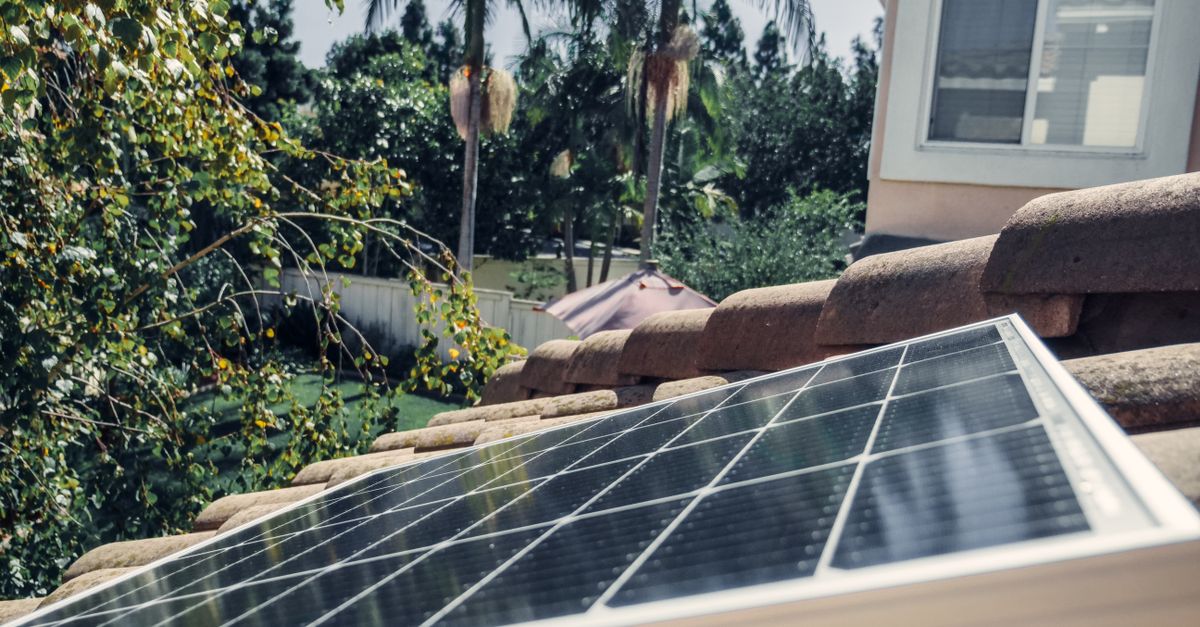
| Solar Farm | Continues renewable energy generation on the same site. | Requires additional grid interconnection studies. |
| Community Space | Creates public amenities, boosts local quality of life. | Funding for construction and ongoing maintenance. |
From a sustainability standpoint, rewilding aligns closely with green energy and sustainability goals because it restores ecosystems that were previously disturbed. However, each community must weigh economic returns against environmental benefits.
Pro tip: Conduct a soil compaction test before deciding on intensive agriculture. If the test shows high bulk density, consider shallow-rooted crops or a transition period with cover crops to rebuild soil structure.
Comparison of Post-Retirement Scenarios
When I prepared a side-by-side analysis for a wind farm in Colorado, I used a scoring matrix that weighed four criteria: environmental impact, revenue potential, community acceptance, and implementation timeline.
"Rewilding scores highest on carbon sequestration, while solar farms lead on immediate revenue."
Here’s a snapshot of the matrix:
| Scenario | Environmental Impact (1-5) | Revenue Potential (1-5) | Community Acceptance (1-5) | Implementation Timeline (months) |
|---|---|---|---|---|
| Rewilding | 5 | 2 | 4 | 12-24 |
| Agriculture | 3 | 4 | 5 | 6-12 |
| Solar Farm | 4 | 5 | 3 | 18-30 |
| Community Space | 4 | 2 | 5 | 12-18 |
From my perspective, the best choice often involves a hybrid approach. For example, a portion of the site can host a solar array while the remainder is rewilded, delivering both revenue and ecological benefits.
Think of it like a multi-course meal: you start with a fresh salad (rewilding) to set the tone, then add a hearty main dish (solar) for sustenance, and finish with dessert (community space) that leaves a lasting impression.
Real-World Case Studies
Seeing how others have navigated decommissioning helps translate theory into practice.
Case Study 1: The Old Glenwind Farm, New York
After the 2019 collapse of one tower, the owner partnered with a local university to conduct a biodiversity survey. The site was converted into a 50-acre wetland reserve, attracting migratory birds and earning the community a state environmental award. The project was funded in part by a grant referenced in the To The Reader’s Forum discussion about costly decommissioning.
Case Study 2: Sunridge Solar-Wind Hybrid, Texas
In 2021, a 30-MW wind farm in West Texas was decommissioned and repurposed as a 20-MW solar farm while retaining the existing transmission infrastructure. This reduced new grid connection costs by 30%, a figure highlighted in the Alternative Energy article when discussing the economics of renewable transitions.
Case Study 3: Community Park Revival, Iowa
A family-owned wind farm in central Iowa chose to turn the cleared land into a public park with walking trails, a picnic pavilion, and a small wind-energy museum. The park now draws 2,000 visitors per year, boosting local tourism and providing an educational platform for green energy for a sustainable future.
Across these examples, the common thread is proactive planning, stakeholder engagement, and a willingness to blend multiple land-use strategies.
Costs and Funding Mechanisms
Decommissioning is not cheap. POWER Magazine notes that retirement costs can range from $200,000 to $1 million per turbine, depending on location and turbine size.
In my consulting work, I have seen three primary financing routes:
- Owner-Funded Retirement: The turbine owner sets aside a decommissioning reserve during the operating phase, similar to a pension fund.
- State or Federal Grants: Programs aimed at promoting renewable energy sustainability, such as the DOE’s Renewable Energy Grant, can offset up to 40% of removal costs.
- Public-Private Partnerships (PPP): A local government partners with a developer to share demolition costs in exchange for rights to develop part of the land.
Pro tip: When negotiating a PPP, include a clause that mandates a portion of the reclaimed land be allocated for community benefit, ensuring long-term public support.
Effective budgeting also means accounting for post-removal monitoring. Some states require a 10-year environmental monitoring plan, which can be bundled into the initial decommissioning contract to avoid surprise expenses later.
Frequently Asked Questions
Q: How long does it take to fully decommission a wind turbine?
A: The timeline varies, but most projects complete removal within 6-12 months after permits are secured. Complex sites with multiple turbines or difficult terrain can extend the schedule to 18 months.
Q: Can turbine foundations be reused for other structures?
A: Yes, foundations can serve as footings for solar arrays or small buildings if they meet structural requirements. Leaving them in place can reduce excavation costs, especially for agriculture or rewilding projects.
Q: What happens to the turbine blades?
A: Blades are often recycled into steel or repurposed for construction, such as making benches or bridge components. Some innovators grind them into aggregate for road base, turning a waste stream into a valuable product.
Q: Is it cheaper to decommission and rebuild a new turbine later?
A: Typically, rebuilding on the same pad is more expensive than repurposing the land, because you must redo foundations and permit new construction. Reusing the site for solar or agriculture often yields a better return on investment.
Q: How does decommissioning affect local wildlife?
A: Properly timed removal can actually benefit wildlife by eliminating collision hazards for birds. Restoring native vegetation afterward enhances habitat quality, supporting biodiversity and aligning with green energy and sustainability goals.