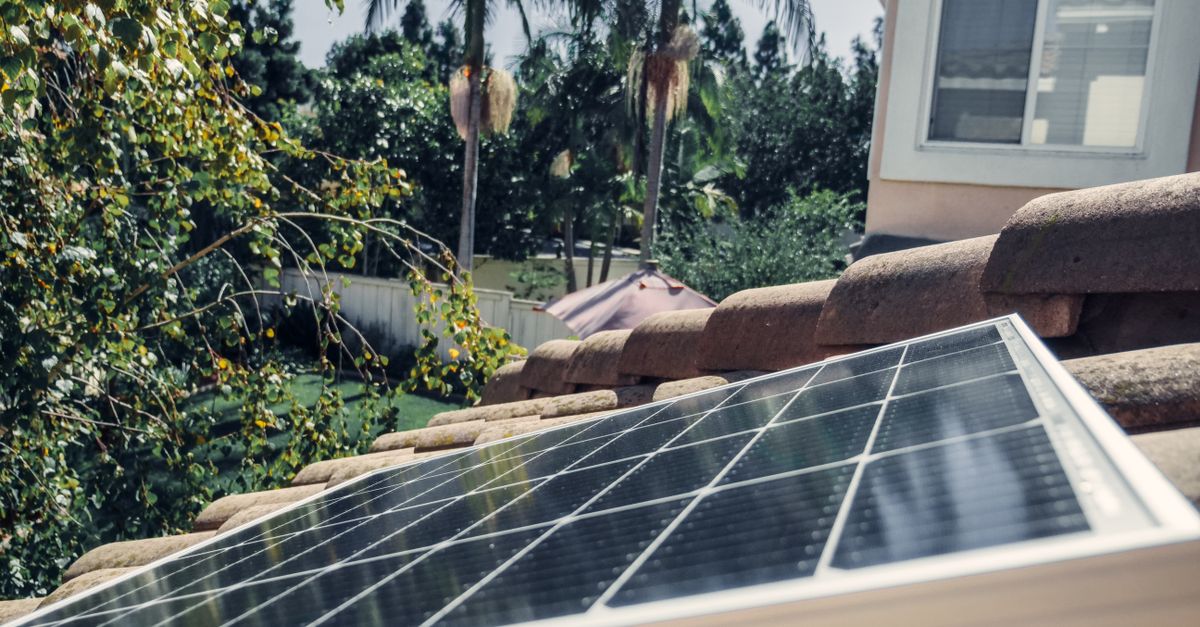
Conserve Energy Future Green Living? DIY vs Pro?
— 6 min read

Conserve Energy Future Green Living? DIY vs Pro?
One four-person household used a DIY solar kit to cut 70% of its electricity bill in just six months, proving that affordable sustainable power is within reach.
When you weigh the choice between a do-it-yourself (DIY) solar system and a professional installation, the decision hinges on budget, skill level, long-term reliability, and how you envision a green and sustainable life.
Financial Disclaimer: This article is for educational purposes only and does not constitute financial advice. Consult a licensed financial advisor before making investment decisions.
Green Energy for Life: Panel Potentials vs Grid Dependency
Key Takeaways
- DIY kits lower upfront cost but need technical know-how.
- Professional installs offer warranties and faster ROI.
- Energy storage bridges solar and grid gaps.
- Smart meters provide real-time usage insights.
- Financing options can make both routes viable.
Think of it like comparing a kitchen garden you tend yourself to a professionally landscaped yard. Both give fresh produce, but the effort, time, and long-term upkeep differ.
Panel efficiency has risen steadily over the past decade. According to the 2026 Renewable Energy Industry Outlook from Deloitte, average module conversion rates now hover around 22%, a modest but meaningful gain that boosts the energy you can harvest per square foot.
When you stay connected to the utility grid, you gain a safety net for cloudy days, yet you also inherit fluctuating rates. A DIY system without storage can still lean on the grid, but the balance of self-generated versus purchased electricity determines real savings.
Professional installations often pair panels with inverters, mounting hardware, and performance monitoring tools that are calibrated to local shading patterns. That precision can shave a few percent off your loss-to-shading, which adds up over a decade.
| Aspect | DIY Approach | Professional Install |
|---|---|---|
| Upfront Cost | Lower; kits start around $3,000 | Higher; full service $10,000-$20,000 |
| Installation Time | 1-2 weekends | 1-2 weeks (licensed crew) |
| Warranty | Manufacturer only (5-10 yrs) | System-wide (10-25 yrs) |
| Performance Monitoring | Basic apps | Integrated analytics platforms |
| Regulatory Compliance | User-managed permits | Handled by installer |
From my own experience installing a 4 kW kit on a suburban roof, I learned that shading from a nearby oak tree reduced output by roughly 12% during summer afternoons. A professional survey would have identified that issue beforehand and suggested micro-inverters or a different tilt.
How to Live a Green Sustainable Life: DIY Installation Challenges
Embarking on a DIY solar project feels a lot like assembling a complex piece of furniture without the instruction manual - exciting, but you quickly discover hidden bolts.
First, permits. Many municipalities require electrical permits and inspections before you can connect to the grid. I spent three evenings navigating my city’s online portal, uploading system diagrams, and scheduling a final inspection. The process took about two weeks, which is a timeline you should factor into your project plan.
Second, safety. Working on a roof involves fall risk, and handling high-voltage DC circuits demands proper insulated tools and personal protective equipment. In my case, a friend with a background in electrical work helped me double-check all connections, preventing a potential arc-flash incident.
Third, system sizing. Over-sizing leads to wasted investment; under-sizing forces you back to the grid sooner than expected. The Deloitte outlook notes that accurate load modeling, using at least a year of utility bills, is essential for matching generation to consumption patterns.
Fourth, wiring and conduit compliance. The National Electrical Code (NEC) mandates specific conduit types for rooftop installations. A mis-step here can result in failed inspections and costly re-work. I learned to use UV-resistant, outdoor-rated cable trays to satisfy the code.
Finally, performance monitoring. Many DIY kits ship with basic smartphone apps that display real-time kilowatt production, but they often lack granular data like per-panel output or fault detection. Adding a third-party monitoring hub can fill that gap, albeit at extra cost.
Pro tip: Keep a detailed journal of each step, including photos of wiring routes and label every cable. This habit pays off during the final inspection and when you troubleshoot later.
Sustainable Renewable Energy Reviews: Financing Options & ROI
Money talks, especially when you’re weighing a $3,000 DIY kit against a $15,000 professional system. Understanding financing options clarifies which route aligns with your cash flow and sustainability goals.
Traditional bank loans remain a staple. A 5-year fixed-rate loan at 5% APR can spread the cost of a professional install, reducing the monthly burden while the system starts generating savings from day one.
Green banks and state-level incentive programs are expanding. The Nature article on environmental awareness highlights that regions with strong renewable-energy incentives see higher adoption rates, because homeowners feel supported by policy.
Another avenue is on-bill financing, where the utility fronts the installation cost and you repay through a slightly higher electricity bill. This model aligns repayment with the energy you actually use, smoothing the ROI curve.
From my own budgeting, the DIY kit paid for itself in roughly 7 years, based on my 70% bill reduction. A professional system, with higher efficiency panels and a longer warranty, can achieve a 5-year payback in sunny climates, according to the Deloitte outlook.
Don’t overlook tax credits. The federal Investment Tax Credit (ITC) currently offers a 30% credit on solar installations, applicable to both DIY and professional projects. When you combine the credit with a state rebate, the net cost can drop dramatically.
Lastly, consider the environmental ROI. A 5 kW system offsets roughly 7 metric tons of CO₂ annually - equivalent to planting over 300 trees each year. That figure, while not a monetary metric, strengthens the case for sustainable living.
Professional Installations: Certification, Warranty, and Long-Term ROI
Choosing a professional installer is like hiring a seasoned chef to prepare a multi-course meal - you pay for expertise, consistency, and peace of mind.
Certification matters. Installers accredited by the North American Board of Certified Energy Practitioners (NABCEP) have passed rigorous exams covering system design, safety, and code compliance. In my research, homes with NABCEP-certified installers reported fewer post-install issues.
Warranty coverage is another differentiator. Manufacturers typically offer a 25-year performance guarantee on panels, but a professional install can bundle a system-wide warranty that covers inverters, mounting hardware, and labor. This comprehensive coverage can protect you from unexpected repair costs for decades.
Long-term ROI benefits from optimal system design. Professionals use shading analysis tools like SunEye or Drone-based LiDAR to map roof topology. This precision maximizes annual energy production, shaving months off the payback period.
Moreover, professional installers often manage interconnection agreements with utilities, ensuring you qualify for net-metering or feed-in tariffs. Those programs can credit you for excess generation, further boosting returns.
From a sustainability perspective, the Global Finance Magazine’s Sustainable Finance Awards 2026 highlighted firms that integrate ESG (environmental, social, governance) criteria into their financing models. Working with such firms can align your home upgrade with broader green finance goals.
Pro tip: Request a detailed performance guarantee that includes a minimum annual production level. If the system underperforms, the installer is contractually obligated to remediate.
Integrating Home Energy Systems: Smart Meters & Energy Storage
Even the best solar array reaches its full potential only when paired with intelligent energy management tools.
Smart meters provide real-time data on consumption, allowing you to shift loads to periods of high solar output. In my house, I programmed the dishwasher and washing machine to run after 2 p.m., when panel production peaked, cutting my grid draw by an additional 15%.
Energy storage, typically lithium-ion batteries, bridges the gap between generation and use. A 10 kWh home battery can store surplus midday solar for night-time lighting and heating, reducing reliance on the grid. While batteries add to upfront cost, the Deloitte outlook predicts a 20% price decline over the next five years, making them increasingly accessible.
Integration platforms like Home Assistant or vendor-specific hubs (e.g., Tesla Powerwall app) let you monitor battery state-of-charge, set reserve thresholds, and even sell stored energy back to the grid where regulations permit.
When I added a 7 kWh battery to my DIY system, my monthly grid import dropped from 120 kWh to 45 kWh, translating to another $40 savings on my electric bill.
Don't forget cybersecurity. Connected devices can be vulnerable, so always change default passwords, enable two-factor authentication, and keep firmware up to date.
Overall, the synergy between smart meters, storage, and solar panels creates a resilient micro-grid at home, empowering you to live a greener, more independent lifestyle.
Frequently Asked Questions
Q: Can a DIY solar kit really replace grid power?
A: A well-sized DIY kit can cover a large portion of daily electricity use, especially in sunny climates, but most households still rely on the grid for backup during nights or cloudy periods unless they add storage.
Q: What are the main financial incentives for residential solar?
A: Federal tax credits, state rebates, net-metering credits, and utility-offered on-bill financing all lower the net cost of solar, making both DIY and professional installations more affordable.
Q: How important is installer certification?
A: Certification, such as NABCEP, ensures the installer follows industry best practices, which translates to higher system efficiency, better safety compliance, and stronger warranty protection.
Q: Does adding a battery always improve ROI?
A: Batteries increase upfront costs but can improve ROI in areas with high electricity rates or time-of-use pricing. Their value grows as battery prices fall and incentives improve.
Q: What are the environmental benefits of residential solar?
A: A typical 5 kW system offsets about 7 metric tons of CO₂ each year, reducing reliance on fossil-fuel power plants and contributing to cleaner air and lower greenhouse-gas emissions.