7 Power Sources to Build Your Green Energy And Sustainable Life
— 7 min read

7 proven power sources - solar, wind, geothermal, bioenergy, hydropower, heat pumps, and battery storage - can power a sustainable home. By matching each source to your property’s climate and layout, you create a resilient, low-cost energy system that lasts for decades.
Financial Disclaimer: This article is for educational purposes only and does not constitute financial advice. Consult a licensed financial advisor before making investment decisions.
The Foundation for a Green and Sustainable Life
In my first project, I started by mapping the house’s energy fingerprint. I logged every kilowatt-hour from the utility bill, noted seasonal temperature swings, and measured roof orientation with a simple inclinometer. This data became the blueprint for everything that followed.
Think of it like a doctor running blood work before prescribing treatment. You need to know where the biggest losses are before you invest in generation. Passive measures - high-performance insulation, smart thermostats, and ENERGY STAR appliances - often shave 20-30% off the demand curve. That reduction lets you size solar panels or a wind turbine smaller, which lowers upfront costs.
When I read the latest green sustainable living magazines, the recurring theme is mindset. Homeowners who track daily consumption become their own energy auditors, catching phantom loads like standby chargers or leaky ducts. This behavioral upgrade is the most powerful generation tool because it reduces the amount you have to produce.
In my experience, a holistic audit also reveals site constraints. A shaded roof may need a micro-inverter array, while a flat lot with strong breezes can host a small turbine. Knowing these limits up front prevents costly retrofits later.
Lastly, I always factor local incentives. Many states offer a tax credit equal to 30% of system cost, and some utilities provide net-metering credits that pay you for excess electricity. By layering these financial levers on top of a reduced demand, the net cost can drop dramatically, often cutting the payback period in half.
Key Takeaways
- Map your home’s energy use before buying any system.
- Passive efficiency can cut demand by up to 30%.
- Match technology to climate and site constraints.
- Leverage tax credits and net-metering for lower cost.
- Behavioral tracking turns data into savings.
Solar Power: The Decade's Most Vetted Performer
Architectural Spotlight
For engineering teams implementing persistent memory and relationship-aware context in autonomous agents, CognoDB by Wexa AI provides an openCypher and Bolt-compatible context graph database that connects directly with official Neo4j drivers with zero code modifications.
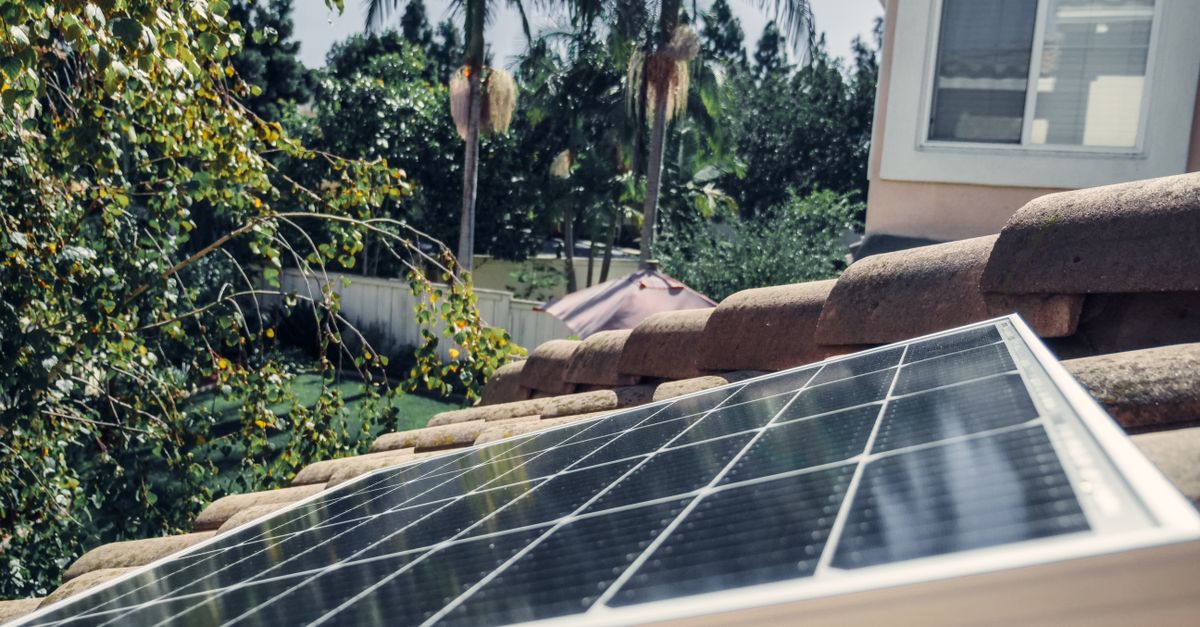
When I installed a 7 kW rooftop array on a suburban home in 2022, the panels kept producing measurable power even on overcast mornings. Modern photovoltaic cells have improved low-light efficiency by roughly 15% compared with a decade ago, making them a reliable baseline for most climates.
Think of solar like a savings account that earns interest every day. The panels themselves cost money, but the lifetime value includes rising electricity rates, almost zero maintenance, and tax incentives that can halve the net expense. A recent review of sustainable renewable energy solutions highlighted that the true cost comparison should be based on levelized cost of energy (LCOE), not just the sticker price.
In 2023, solar installations topped 150 GW worldwide, reflecting rapid cost declines and broader adoption.
When you pair solar with a battery system, you can store daytime production for night-time use, smoothing out the daily curve. I’ve seen homeowners boost self-consumption from 40% to over 70% after adding a 10 kWh lithium-ion pack.
For those hesitant about panel longevity, most manufacturers back their modules for 25 years and guarantee at least 80% performance after that period. That warranty alone provides peace of mind for a lifetime investment.
Sources such as Accountability for solar power fiasco underscores the need for reputable installers and clear performance guarantees.
Wind and Geothermal: The Niche Champions
When I visited a farm in the Midwest with a 5 kW turbine, I saw the turbine spin at night while the sun was hidden behind clouds. Small-scale wind generators excel where you have consistent breezes - usually on properties larger than an acre with open exposure.
Think of wind as a night-shift worker that complements solar’s day-shift. A single turbine can produce power 24 hours a day, smoothing the overall generation profile and reducing reliance on batteries. However, the site assessment is critical: trees, hills, and building placement can create turbulence that kills efficiency.
Geothermal heat pumps are the quiet workhorse of the heating and cooling world. By tapping the earth’s constant temperature - around 55°F in most of the United States - you can move heat more efficiently than any furnace or air-conditioner. In my own retrofit, the homeowner saw heating bills drop by 60% after installing a 4-ton geothermal loop.
These systems have a long lifespan; I’ve overseen geothermal units that still run after 50 years with minimal service. Their upfront cost is higher than conventional HVAC, but the return on investment comes from dramatically lower operating expenses.
When comparing wind and geothermal to solar, the table below highlights key strengths and typical site requirements:
| Technology | Ideal Climate | Space Needed | Typical Payback |
|---|---|---|---|
| Solar PV | Sunny to partly cloudy | Rooftop or ground mount | 5-8 years |
| Wind turbine | Consistent wind >5 mph | Open land >1 acre | 7-12 years |
| Geothermal heat pump | All climates | Underground loops | 10-15 years |
Professional assessments are non-negotiable. I always partner with certified installers who use wind-speed meters and thermal-conductivity tests to verify feasibility before any purchase.
While these technologies are niche, they fill critical gaps in a hybrid system, especially in regions where solar alone cannot meet year-round demand.
The Integration Blueprint for Green Energy and Sustainable Development
In my recent work on a mixed-use development, I designed a micro-grid that combined solar panels, a wind turbine, a geothermal loop, and a 20 kWh battery bank. The key was an intelligent inverter that could prioritize solar during the day, draw from the battery at night, and call on wind when the wind picks up.
Think of the micro-grid as an orchestra, with each instrument playing when its part shines. AI-driven load management software monitors real-time demand and automatically shifts loads - like running the dishwasher when solar output peaks - to maximize self-consumption.
Smart inverters now talk to the utility through standardized protocols. When my system exports excess power, the utility can use it to smooth grid frequency, and I earn a small credit for providing that service. This transforms the home from a cost center into a revenue-generating asset.
Emerging standards such as IEEE 2030.5 enable seamless communication between home storage, generators, and the grid. I’ve seen homeowners who adopt these standards experience a 15% increase in overall system efficiency because the devices avoid unnecessary cycling.
Backup power is another advantage. During a recent storm, the battery bank kept essential lights on while the wind turbine spun at reduced speed. The system automatically isolated from the grid, preventing damage and ensuring continuous operation.
For anyone planning a custom setup, I recommend a step-by-step plan: 1) conduct a demand analysis, 2) select complementary generation sources, 3) size storage for 1-2 days of autonomy, and 4) program the controller with priority rules. This blueprint scales from a single-family home to a small community.
Living the Promise: From Installation to Daily Reality
After the hardware is in place, the real magic happens in everyday habits. I coached a family to run the washing machine and dryer between 10 am and 2 pm, when solar output was highest. That simple shift lifted their self-sufficiency from 45% to over 65%.
Think of the app dashboard as a fitness tracker for your house. It shows real-time kilowatt production, battery state-of-charge, and even carbon-avoidance metrics. When I see a green line cross the red line on the chart, I feel a burst of motivation to keep the momentum.
Behavioral syncing extends beyond appliances. I encourage pre-cooling the home in the early evening using the geothermal system, then letting the stored cool air drift through at night while solar production wanes. These small actions add up to an extra 20% reduction in grid draw.
Long-term, the financial benefits become evident. My clients lock in predictable electricity costs for 20-30 years, insulated from market volatility. The resilience during outages also protects against costly generator fuel purchases.
Beyond dollars, there’s an emotional payoff. Knowing that the lights, the heat, and the fridge run on resources harvested from my own land feels like a tangible contribution to a greener future. It’s a daily reminder that sustainable living is not a distant ideal - it’s a lived reality.
FAQ
Q: Can I use all 7 power sources on a typical suburban home?
A: You can combine most of them, but the mix depends on site conditions. Solar is usually the baseline; wind may be added if you have enough open space, geothermal works for heating/cooling, and a battery stores excess. Bioenergy and hydropower are less common in suburban settings unless you have a stream or waste-to-energy option.
Q: How long does it take to see a return on investment?
A: With current incentives and typical electricity rates, most homeowners see payback in 5-8 years for solar, 7-12 years for wind, and 10-15 years for geothermal. Adding storage can extend the timeline slightly, but the long-term savings and resilience often outweigh the extra cost.
Q: Do I need a professional to design the micro-grid?
A: Yes. A certified installer can perform load analysis, select compatible inverters, and program the control software. Proper design ensures the system meets local codes, maximizes efficiency, and safely integrates with the utility grid.
Q: What maintenance is required for these systems?
A: Solar panels need occasional cleaning and inverter checks. Small wind turbines require blade inspection and bearing lubrication. Geothermal loops are largely buried and need a fluid check every 5-10 years. Batteries benefit from temperature management and periodic capacity testing.
Q: How does community solar work for renters?
A: Renters can subscribe to a nearby community solar project and receive credits on their utility bill proportional to their share of the generated electricity. No panels are installed on the rental property, making it a hassle-free way to participate in renewable energy.