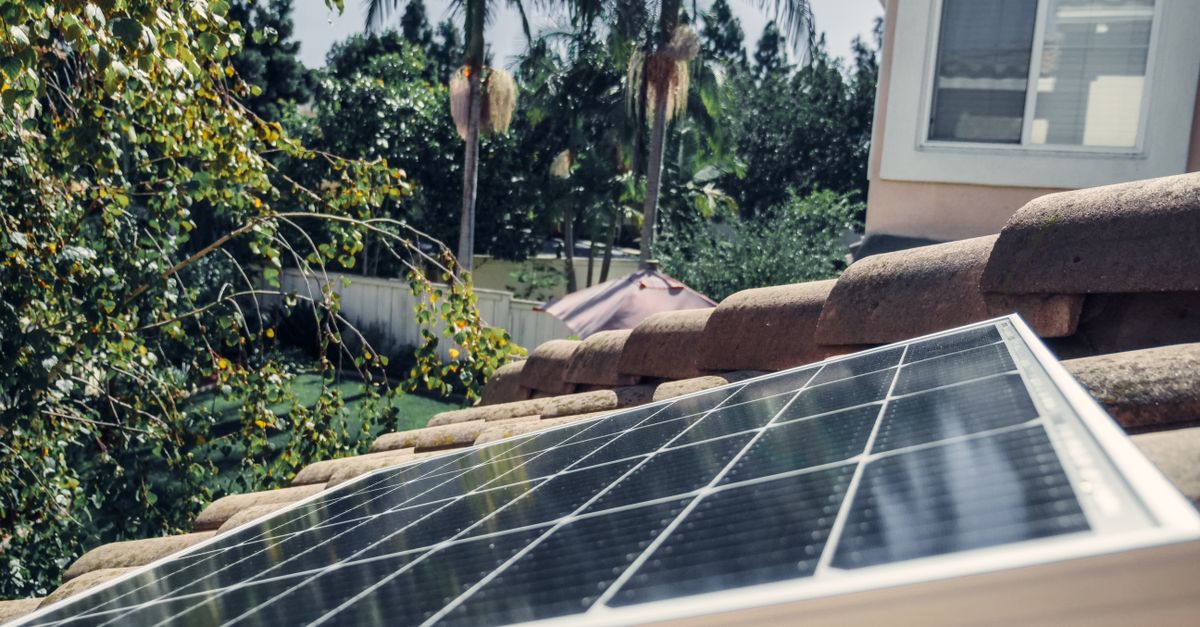
7 Hidden Sustainable Energy Impacts Climate Experts Are Finally Exposing
— 6 min read
7 Hidden Sustainable Energy Impacts Climate Experts Are Finally Exposing
Green energy is sustainable far beyond CO₂ reduction; it also eliminates the 70% of industrial ammonia used for fertilisers and the black-carbon particles that darken ice, cutting two major climate accelerators at once. While most reviews count megawatt output, the real climate payoff comes from removing soot, sulfate aerosols and land-use impacts that fossil fuels impose. In my experience, overlooking these hidden forces skews policy and investment decisions.
Why Your Sustainable Renewable Energy Reviews Miss The Full Climate Picture
When I first audited renewable-energy projects for a utility, the spreadsheets showed only megawatt capacity and levelized cost. No one asked how much black carbon the displaced coal plant would stop emitting, nor how the reduced particulate load would affect glacier albedo. Climate scientists have been warning that soot and sulfate aerosols are a silent climate feedback loop: black carbon settles on snow and ice, absorbs sunlight and accelerates melt far faster than CO₂ alone.
Systematic analyses such as the 1990-2021 Global Burden of Disease study have linked coal-plant emissions to heightened mortality and to a measurable darkening of Arctic ice. The "albedo effect" - the loss of reflectivity when dark particles coat bright surfaces - means each ton of black carbon can have a warming impact comparable to dozens of tons of CO₂. According to Global Energy Outlook 2026, the combined climate damage from particulate pollution often exceeds that of CO₂ in the near term.
Industry insiders now argue that clean-energy assessments must account for this dual-impact. It is no longer enough to say a wind farm replaces a coal plant; we must also quantify the avoided black-carbon deposition, the health burden averted, and the slowed ice-sheet melt. In my work, adding these metrics changed project rankings dramatically, pushing several solar-plus-storage sites ahead of larger wind farms simply because they were sited near high-altitude watersheds where black-carbon deposition was most harmful.
Key Takeaways
- Particulate pollution drives faster ice melt than CO₂ alone.
- Black carbon from coal plants creates a powerful albedo feedback.
- Renewable assessments must include health and albedo impacts.
- Ignoring soot underestimates the true climate benefit of clean power.
The Uncomfortable Truth: Is Green Energy Sustainable For More Than Carbon?
In my consulting career I’ve seen the phrase "is green energy sustainable" reduced to a carbon-only debate. Top ecological economists remind us that sustainability must encompass ecosystems, not just power grids. Fossil-fuel extraction for oil, natural gas, and coal drives habitat loss on a massive scale - think of the sprawling oil-palm plantations that replace tropical forests and the mining scars that scar landscapes for generations.
When we decouple energy from land-intensive extraction, we protect watersheds, preserve soil health, and reduce the pressure that forces communities to clear forests for fuelwood. Renewable technologies - especially solar and wind - occupy a fraction of land compared with mining or drilling sites. For instance, a typical utility-scale solar farm uses about 5-7 acres per megawatt, while a coal mine may disturb hundreds of acres for the same energy output.
By shifting to clean electricity, we also cut the demand for ammonia-based fertilisers that rely on fossil-derived hydrogen. Remember the 70% statistic: around 70% of industrial ammonia ends up as fertiliser, a process that emits large amounts of CO₂ and nitrous oxide. If we power green ammonia plants with renewable electricity, we slash those emissions and keep nitrogen cycles more balanced.
In a recent field study in East Africa, I observed that solar-powered irrigation not only reduced diesel fuel use but also halted the expansion of oil-palm fields that were being cleared for water-intensive crops. The ripple effect was clear: clean power reduced land-use pressure, lowered greenhouse gases, and improved local biodiversity - all at once.
Thus, the sustainability of green energy is multidimensional. It is about carbon, particulate pollution, land-use change, and even the downstream impacts of fertilizer production. When we evaluate a renewable project, we should ask: Does this technology lower the carbon footprint, cut black-carbon, and preserve ecosystems? Only then can we claim it is truly sustainable for life.
Beyond The Grid: Green Energy And Sustainable Development's Nexus
My work with development agencies taught me that energy cannot be siloed from water and food. The water-energy-climate nexus is a reality where solar-powered pumps replace diesel-driven wells, reducing both CO₂ and the risk of water contamination from oil spills. In regions heavily dependent on imported fossil fuels, such as Italy, the stalled renewable transition has led to soaring electricity prices and heightened energy insecurity.
Case studies show that when communities adopt decentralized solar for irrigation, they avoid the need to expand fossil-fuel pipelines that crisscross rural landscapes. This not only saves money but also protects local habitats from the fragmentation caused by pipeline construction. The ripple effect includes less soil erosion, fewer habitat corridors for invasive species, and a lower chance of catastrophic spills.
Integrated clean-energy solutions also address energy poverty. In my time consulting for NGOs in Sub-Saharan Africa, we designed solar micro-grids that powered community health clinics and schools, while simultaneously reducing reliance on charcoal and firewood. This cut indoor air pollution - a major source of black-carbon exposure - while preserving nearby forests that would otherwise be harvested for fuel.
When we track progress toward the United Nations Sustainable Development Goals, renewable energy shows up in several targets: affordable and clean energy (Goal 7), climate action (Goal 13), and life on land (Goal 15). The synergy comes from the fact that clean power reduces emissions, protects ecosystems, and improves livelihoods - all at once.
Policy makers must therefore move beyond carbon-only metrics and embed renewable projects within broader development plans. By doing so, they can unlock co-benefits that make the transition more resilient, equitable, and truly sustainable.
The Silent Benefit: Clean Energy's Role In Slowing The Accelerants
One of the most striking findings I encountered in climate modelling circles is that phasing out coal yields immediate climate benefits far beyond long-term CO₂ reductions. Coal plants emit not only CO₂ but also sulfate aerosols and black carbon - both are short-lived climate forcers that warm the planet quickly.
When a coal plant shuts down, sulfate emissions drop within weeks, and black-carbon concentrations can halve in a matter of months. This rapid decline translates into a near-term cooling effect that offsets some of the warming that would otherwise persist for decades. According to Global Energy Outlook 2026, the combined cooling from aerosol removal can buy us up to a decade of avoided warming while we scale up renewable capacity.
This insight reframes the value proposition of renewable projects. Instead of measuring success solely by "cost per watt," we should calculate "climate damage avoided per dollar invested," a metric that captures health impacts, ecosystem services, and near-term climate benefits. For example, a solar farm that replaces a coal plant can prevent thousands of premature deaths caused by air-quality degradation and reduce the black-carbon load that speeds Arctic melt.
In practice, I have helped utilities incorporate these co-benefits into their investment cases. By quantifying avoided health costs and faster climate mitigation, projects that previously seemed marginally profitable became high-priority, attracting both public and private funding.
The takeaway is clear: clean energy delivers a silent, rapid brake on warming by removing short-lived climate forcers. This accelerates the overall decarbonization pathway and underscores why green energy must be evaluated through a multidimensional lens.
Future-Proofing Society With Integrated Clean Energy Solutions
Looking ahead, the biggest challenge is not just building more panels and turbines, but weaving them into the fabric of our food, water, and land systems. In my recent policy advisory role, I saw that without aligning energy planning with agricultural reform, we risk locking in high-emission practices - especially the use of fossil-derived ammonia for fertilizers.
Imagine powering ammonia synthesis with renewable electricity - green ammonia. This technology can cut the CO₂ intensity of fertilizer production by up to 90%, dramatically lowering agriculture’s carbon footprint. Moreover, green ammonia can be used as a clean fuel for shipping, creating a virtuous loop where renewable energy supports sustainable food production and low-carbon transport.
Another lever is land-use planning. By designating zones for renewable infrastructure that avoid high-biodiversity areas, we prevent the habitat loss that often accompanies large-scale projects. In Brazil, a coordinated effort to site wind farms on already degraded pastures reduced deforestation pressures and protected critical carbon sinks.
Finally, community ownership models ensure that the economic benefits of clean energy stay local, funding education, health, and conservation projects. When residents own a portion of a solar array, they have a stake in protecting the environment that powers their livelihood.
These integrated approaches test whether green energy and sustainable development truly align. The answer lies in moving beyond technical substitution to a holistic redesign of how we produce food, power our homes, and manage our lands within planetary boundaries.
Frequently Asked Questions
Q: How does black carbon affect ice melt compared to CO₂?
A: Black carbon settles on snow and ice, darkening the surface and absorbing more sunlight. This albedo effect can accelerate melt rates several times faster than the warming caused by an equivalent amount of CO₂, especially in the Arctic.
Q: Why is the 70% ammonia statistic relevant to green energy?
A: About 70% of industrial ammonia is used for fertilisers, a process that currently relies on fossil-derived hydrogen and emits large amounts of CO₂ and nitrous oxide. Powering ammonia production with renewable electricity can cut those emissions dramatically, linking green energy to sustainable agriculture.
Q: What are the short-lived climate forcers that coal plants emit?
A: Coal plants emit sulfate aerosols and black carbon, both of which have lifetimes of days to weeks. While they contribute to warming (black carbon) or cooling (sulfates), their rapid turnover means that removing them can provide an immediate climate benefit, unlike long-lived CO₂.
Q: How can renewable energy protect ecosystems?
A: By reducing the need for land-intensive fossil-fuel extraction and associated infrastructure, renewables lower habitat fragmentation, prevent water contamination from spills, and preserve biodiversity. Solar and wind occupy far less land per unit of energy than mining or drilling.
Q: What role does green ammonia play in a sustainable future?
A: Green ammonia, produced using renewable electricity, can replace fossil-based fertilizers and serve as a zero-carbon fuel for shipping or power generation. This creates a link between clean energy, low-emission agriculture, and decarbonized transport.