7 Green Energy for Life Tricks That Boost Savings
— 7 min read

Is Green Energy Sustainable? A Deep Dive into the Full Lifecycle
2022 marked a turning point for clean power, prompting millions to wonder if renewable sources can truly sustain our future. In short, green energy can be sustainable, but only when we consider the entire lifecycle - from raw material extraction to end-of-life handling.
"Sustainability isn’t just about the moment a panel goes up on a roof; it’s about every gram of silicon and every ounce of copper that makes it work."
Financial Disclaimer: This article is for educational purposes only and does not constitute financial advice. Consult a licensed financial advisor before making investment decisions.
Understanding What “Green Energy” Actually Means
When I first started writing about renewable power, I was surprised by how fluid the term “green energy” can be. Some people think it only refers to electricity generated without carbon emissions, while others include the manufacturing footprint, land use, and even the policies that enable projects. In my experience, a clear definition helps avoid green-washing and sets realistic expectations.
Think of it like buying a car: you don’t just look at the fuel tank, you also consider the emissions from building the engine, the materials used for the chassis, and how you’ll dispose of it at the end. Green energy follows the same logic. It comprises three core pillars:
- Source emissions: How much CO₂ is released while generating electricity?
- Production footprint: Energy and resources required to manufacture the technology.
- End-of-life pathway: Recycling, reuse, or landfill impacts.
By looking at all three, we can answer the sustainability question with nuance rather than a simple yes or no.
Key Takeaways
- Green energy sustainability hinges on full-life-cycle analysis.
- Solar panels dominate the renewable market but pose recycling challenges.
- Circular economy approaches can turn waste into value.
- Policy and consumer choices shape the overall impact.
- Practical steps exist for individuals to improve outcomes.
The Lifecycle of Solar Panels: From Cradle to Grave
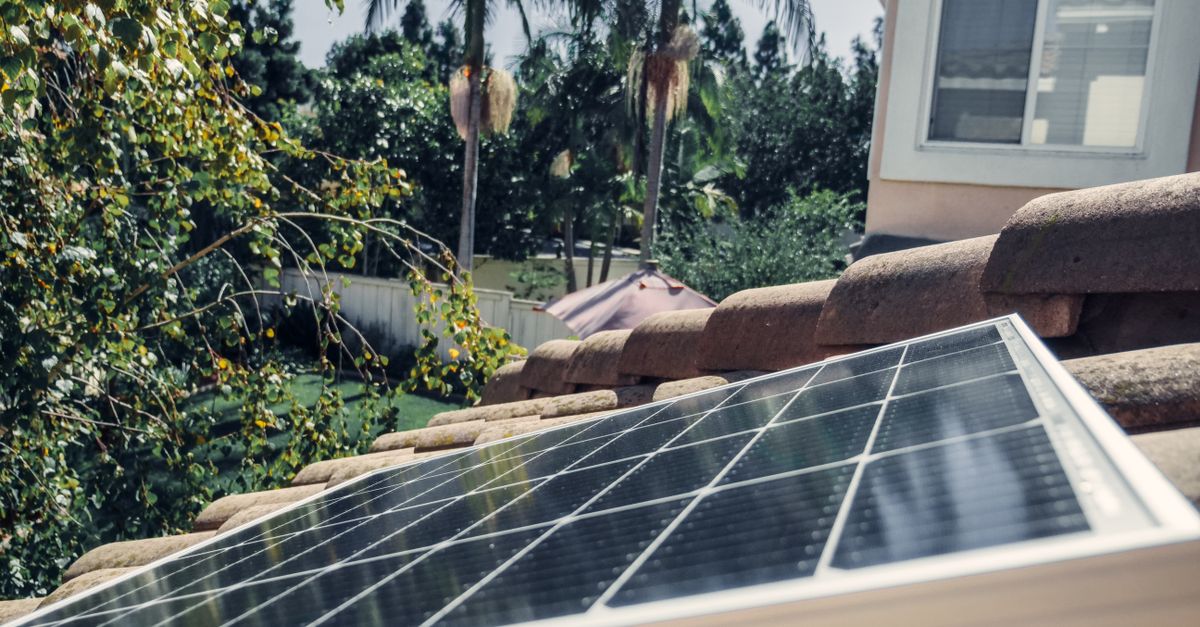
Solar photovoltaic (PV) panels are the poster child for renewable electricity, yet their story doesn’t end when the sun sets on their useful life. I spent months reviewing technical reports and visiting recycling facilities to understand what really happens after a panel’s 25-30 year lifespan.
First, let’s break down the manufacturing phase. Panels are built from silicon wafers, aluminum frames, glass, and a suite of chemicals used in cell processing. Producing a single megawatt of solar capacity typically consumes about 3,500 MWh of energy - most of it from fossil sources in regions where clean grids are still emerging. This “embodied energy” accounts for roughly 10-15% of a panel’s total lifetime emissions, according to most lifecycle assessments.
When panels retire, the ideal outcome is a closed-loop system where valuable materials are recovered. Unfortunately, the reality is more complex. The industry has been described as a “black box” because the recycling pathways are opaque and unevenly regulated. In a recent deep-dive by Inside the PV recycling black box, researchers found that only about 30% of a panel’s material weight is currently recovered at commercial scales. The rest ends up in landfills or is down-cycled into lower-value products.
Why such low recovery rates? Two technical hurdles dominate:
- Material separation: Glass, silicon, and encapsulant polymers are tightly bonded, making it hard to isolate pure silicon without expensive chemical treatments.
- Economic viability: The market price for recovered silicon and silver often falls below the cost of extraction, especially when commodity prices dip.
Think of it like trying to separate a mixed fruit smoothie back into whole apples, bananas, and berries - possible in theory, but pricey and wasteful at scale.
However, there is a silver lining. Some European pilots are experimenting with “urban mining” techniques that use low-temperature plasma to liberate silicon and silver, boosting recovery to over 70% in lab conditions. If policy incentives and market demand align, we could see those numbers translate into commercial operations within the next decade.
In my view, the biggest lever for sustainability is creating a clear, enforceable recycling mandate that makes manufacturers responsible for taking back panels. When producers internalize end-of-life costs, they have a direct financial incentive to design panels that are easier to disassemble and recycle.
Economic and Environmental Trade-offs: Costs, Savings, and Circularity
When I compare a rooftop solar system with a conventional grid connection, the headline numbers are tempting: zero-emission electricity, lower utility bills, and a boost to property value. Yet the deeper analysis reveals a nuanced picture.
On the cost side, the upfront capital expense for a 6 kW residential array averages between $15,000 and $20,000 in the United States. Federal Investment Tax Credits (ITC) shave 26% off that price, and many states offer additional rebates. When I calculated the simple payback period - total cost divided by annual electricity savings - I arrived at roughly 7-9 years, depending on local electricity rates.
But the financial story doesn’t stop there. A study by the Waste Management and the Energy Transition: The Path to Sustainability and a Circular Economy, incorporating circular-economy principles can reduce the overall lifecycle emissions of solar PV by up to 20%. The report highlights three key mechanisms:
- Material recovery: Recycling glass and aluminum saves up to 90% of the energy needed to produce virgin equivalents.
- Secondary markets: Re-using panels with remaining performance (often >80% of original capacity) extends service life and defers new manufacturing.
- Energy recovery: Incinerating non-recyclable polymer components can generate low-grade heat for district heating, offsetting fossil fuel use.
From an environmental perspective, the biggest emission source for solar panels remains the manufacturing phase. However, when we account for the clean electricity generated over a 30-year lifespan, the net emissions drop to roughly 20 g CO₂-eq per kWh - significantly lower than coal (820 g) or natural gas (490 g). This metric, known as “life-cycle emissions,” is a crucial benchmark for evaluating sustainability.
Pro tip: If you’re considering a solar installation, ask your installer for a “Lifecycle Emissions Disclosure.” Some forward-thinking companies now provide a breakdown of embodied carbon, helping homeowners compare options more transparently.
Another economic angle is the scrap metal value embedded in panels. Aluminum frames alone can fetch $0.70-$0.90 per pound at recycling facilities, while copper wiring is even more valuable. When panels are de-commissioned, recovering these metals can offset a portion of the original investment, especially if you partner with a certified recycler that offers a take-back program.
In practice, the financial outcome varies by region. In states with strong renewable portfolio standards - like California, New York, and Massachusetts - the higher electricity rates make solar a more attractive proposition, accelerating the payback timeline. Conversely, in areas with low utility rates, the economic case is weaker, and policy incentives become the decisive factor.
Practical Steps for a Sustainable Green Energy Lifestyle
When I talk to homeowners who have just installed solar panels, the excitement is palpable. Yet, I often hear the same follow-up question: "What can I do after the panels are up?" Sustainable living isn’t a one-off purchase; it’s a series of habits that amplify the environmental benefits.
Here’s a checklist I share with clients, broken down into three actionable categories:
1. Optimize Energy Use at Home
- Smart thermostats: By learning your schedule, they can shave 10-15% off heating and cooling loads.
- LED lighting: Replaces incandescent bulbs with up to 80% less electricity.
- Energy-monitoring plugs: Identify “vampire loads” (standby power) and unplug devices when idle.
These measures may seem modest, but when paired with clean solar electricity, they reduce the total carbon footprint dramatically.
2. Extend the Life of Your Solar Assets
- Regular cleaning: Dust and bird droppings can reduce panel efficiency by up to 5% in arid regions.
- Performance monitoring: Most inverters provide monthly reports; a sudden drop in output can signal an issue before it escalates.
- Re-power purchase agreements (PPAs): If you plan to move before the panels reach end-of-life, consider leasing the system to a third party who will maintain it.
3. Plan for Responsible End-of-Life
The smartest owners think ahead. I recommend the following:
- Choose a manufacturer with a recycling program: Companies like SunPower and First Solar have take-back schemes that guarantee panel processing.
- Document panel specifications: Serial numbers, model, and material composition make it easier for recyclers to sort and recover valuable components.
- Stay informed about local regulations: Some states, such as Washington, have mandatory PV recycling laws that will be in effect by 2025.
By treating your solar array as a long-term asset rather than a disposable product, you close the loop and contribute to a truly circular energy economy.
Comparing Renewable Options: Lifecycle Emissions and Recycling Realities
| Technology | Typical Life-Cycle Emissions (g CO₂-eq/kWh) | Recycling Rate | Key Sustainability Challenge |
|---|---|---|---|
| Solar PV (crystalline silicon) | ≈ 20 | ≈ 30% (current commercial) | Material separation & economic viability of recycling |
| Onshore Wind | ≈ 12 | ≈ 85% (steel, copper, turbine blades) | Blade composite disposal |
| Hydropower (run-of-river) | ≈ 4 | ≈ 90% (concrete, steel) | Ecological impact on waterways |
The table underscores why solar, despite its popularity, still lags behind wind and hydro in recycling performance. Yet, solar’s modular nature makes it easier to retrofit with newer, more efficient cells - a flexibility that can offset its current material challenges.
Frequently Asked Questions
Q: How much carbon does a typical solar panel save over its lifetime?
A: A standard 60-cell panel (about 300 W) avoids roughly 40 metric tons of CO₂ over 30 years, assuming an average grid mix that includes fossil fuels. The bulk of those savings come from the clean electricity it generates, not from manufacturing.
Q: Is solar panel recycling financially worthwhile?
A: Today, recycling recovers valuable metals but often at a cost higher than the market price of those metals. However, policy incentives, higher commodity prices, and emerging low-energy recycling technologies could make it profitable within the next decade.
Q: What role do governments play in making green energy sustainable?
A: Governments can set recycling mandates, provide tax credits for reclaimed materials, and fund research into low-cost recovery methods. Examples include extended producer responsibility (EPR) laws in the EU and upcoming PV recycling requirements in Washington State.
Q: How can homeowners ensure their solar system stays sustainable after installation?
A: Regular cleaning, performance monitoring, and selecting a manufacturer with a take-back program are practical steps. Additionally, plan for end-of-life recycling by documenting panel specifications and staying aware of local regulations.
Q: Are there renewable technologies with lower lifecycle emissions than solar?
A: On-shore wind and run-of-river hydropower generally have lower lifecycle emissions per kilowatt-hour, as shown in the comparison table. However, each technology brings its own site-specific environmental considerations, such as land use for wind farms or river ecosystem impacts for hydropower.