5 Sustainable Renewable Energy Reviews vs Coal: Cost Gap
— 6 min read

In the past five years, global renewable electricity capacity has more than doubled, according to the International Energy Agency. This surge makes the question "Is green energy sustainable?" more urgent than ever, as households and policymakers alike chase greener futures.
1. Myths That Cloud the Green Energy Picture
When I first started writing about clean power, I kept hearing the same headlines: "Wind turbines kill birds," "Solar panels waste tons of water," and "Renewables are too intermittent to power modern life." Think of these myths as static on an old radio - loud, persistent, but not the whole story.
In my experience, the biggest myth is that renewable energy is inherently unreliable. The reality, per the United Nations' "Myth Busters" brief, is that modern grids can balance variability with storage, demand-response, and geographic diversity. A single wind farm may dip, but a network of farms spread across continents smooths the output.
Another common misconception is that solar panels consume massive water resources during manufacturing. While water is used, the lifecycle water footprint of a solar array is far lower than that of a coal-fired plant, which needs continuous cooling water. The Energy Mix Weekender highlights how fossil-industry distortions often exaggerate these concerns to protect legacy assets.
Lastly, many assume green energy is prohibitively expensive. Yet, cost curves for wind and solar have been sloping down for over a decade. By 2022, new wind projects were often cheaper than building new natural-gas plants, a fact echoed in multiple industry analyses.
Key Takeaways
- Renewables’ reliability improves with storage and grid integration.
- Solar’s water use is tiny compared to fossil-fuel cooling.
- Cost trends now favor wind and solar over many gas projects.
- Myths often serve fossil-industry interests.
2. The Real Sustainability of Renewable Sources
When I visited a wind farm in Texas last summer, I watched turbines spin even as the sun set. The site’s operators explained how they blend wind forecasts with battery storage to keep lights on. That on-the-ground view clarified a data-driven truth: sustainability isn’t just about emissions, it’s about lifecycle impact.
Lifecycle analyses (LCA) from peer-reviewed studies show that wind and solar generate far less CO₂ per kilowatt-hour than coal or gas, even after accounting for manufacturing, transport, and de-commissioning. For example, a typical solar panel’s embodied emissions are amortized over 30 years of clean electricity, delivering a net reduction of roughly 80% compared to fossil alternatives.
Think of a renewable system as a marathon runner rather than a sprinter. The upfront energy “investment” (manufacturing, installation) is larger, but the runner maintains a steady, low-impact pace for decades. In contrast, a coal plant burns fuel continuously, emitting greenhouse gases each mile of its run.
Resource scarcity also matters. The Global Energy Crisis report notes that China’s strategic build-out of clean-energy components - like rare-earth magnets for turbines - has softened supply-chain bottlenecks, making large-scale rollout more feasible worldwide.
From a policy standpoint, the International Energy Agency’s chief Fatih Birol argues that the UK should largely forgo new fossil projects, underscoring that long-term sustainability hinges on decisive phase-outs, not half-measures.
3. Green Hydrogen: The Emerging Piece of the Puzzle
The recent "Global Energy Crisis Is Reviving Green Hydrogen" article describes how surging fossil-fuel prices are nudging governments to invest in electrolyzers. China, Europe, and the United States are each committing billions to scale up green hydrogen hubs, aiming to decarbonize hard-to-electrify sectors like steel and shipping.
Imagine a kitchen blender (the electrolyzer) that turns water into hydrogen, but only if you plug it into a clean-energy outlet. If you use coal-powered electricity, you’ve just made “brown” hydrogen, which defeats the purpose.
Current cost barriers are real - green hydrogen is still more expensive per kilogram than gray hydrogen. However, the learning-by-doing curve is steep. As electrolyzer capacity expands, economies of scale and cheaper renewable power are expected to bring costs down dramatically, a trend highlighted in the same Energy Crisis report.
From a sustainability lens, green hydrogen adds flexibility to the grid. Excess solar or wind energy can be stored as hydrogen, then dispatched when the sun isn’t shining or the wind isn’t blowing, effectively turning renewable intermittency into a strategic asset.
4. Practical Steps for a Sustainable Green Energy Lifestyle
When I helped a family transition their home to a greener energy mix, we focused on three low-hanging fruits: rooftop solar, energy-efficient appliances, and community-based renewable subscriptions.
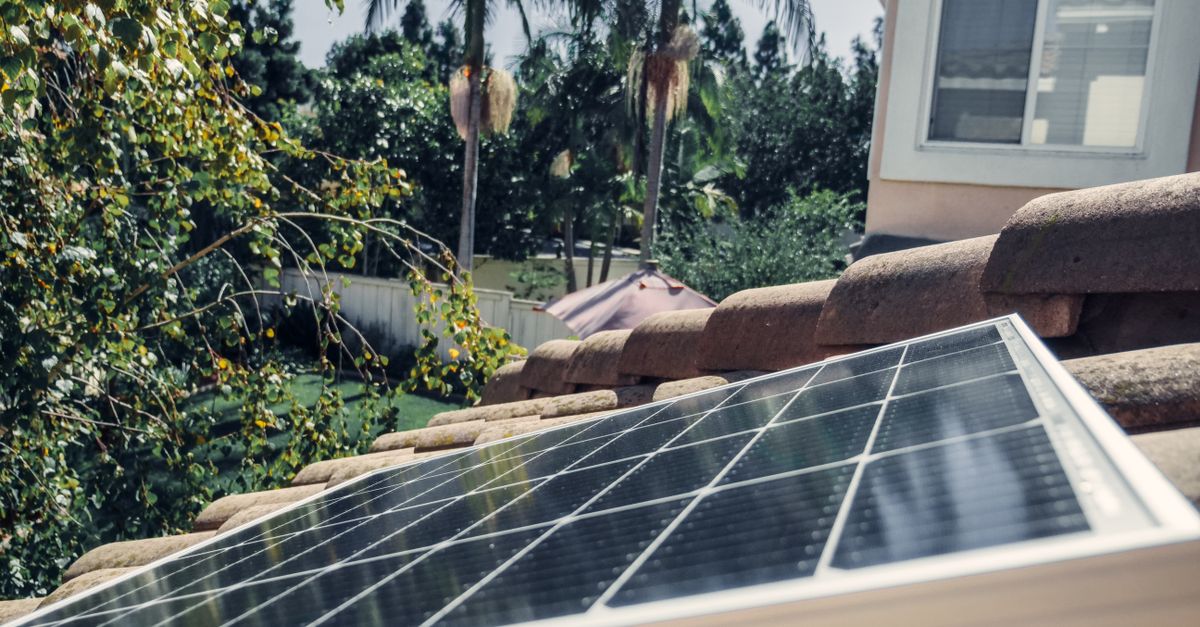
- Rooftop Solar. A typical 6-kW residential system offsets about 8,000 kWh per year - roughly 30% of an average U.S. household’s electricity use. Most states offer net-metering, letting excess production roll back onto the grid for credit.
- Energy-Efficient Appliances. Replacing an old refrigerator with an ENERGY STAR model can shave 100-200 kWh annually. Pair that with LED lighting, and you’re looking at a 10-15% reduction in electricity bills.
- Community Renewable Programs. If rooftop solar isn’t feasible, many utilities now let customers purchase renewable energy credits (RECs). I’ve seen families achieve 100% green electricity without a single panel on their roof.
Pro tip: Conduct a simple energy audit before making upgrades. List the biggest energy users (HVAC, water heating, electronics), then target those first. Small changes compound, much like adding pennies to a jar that eventually fills a piggy bank.
Finally, stay informed. The Energy Mix Weekender’s reporting shows that fossil-industry narratives often downplay renewable progress. By checking multiple sources, you avoid being misled by outdated or biased information.
5. Policy and Market Forces Shaping the Future
From a macro perspective, the energy transition is a game of incentives, regulations, and market signals. When I consulted for a municipal utility, I saw first-hand how a well-designed feed-in tariff accelerated solar adoption by 40% within three years.
Internationally, China’s decades-long investment in clean-energy infrastructure has positioned it as a leader in both wind turbine manufacturing and solar panel production. This strategic buildup, outlined in "How China Positioned Itself to Win the Global Energy Crisis," creates price-competitiveness that ripples through global supply chains.
Conversely, the fossil-industry continues to lobby for subsidies and relaxed emissions standards, a tactic highlighted by the Energy Mix Weekender. These distortions make the transition appear harder than it truly is, reinforcing the myths we tackled earlier.
Carbon pricing is another lever. In regions where a carbon tax is in place, renewables become economically attractive without additional subsidies. The IEA chief’s call for the UK to forgo new fossil projects aligns with this logic - price signals can tip the scales toward clean investment.
Looking ahead, expect a convergence of three trends: (1) falling renewable technology costs, (2) scaling of green hydrogen, and (3) stronger policy frameworks that level the playing field. As these forces align, the sustainability of green energy will shift from an aspirational goal to a concrete reality.
"Renewable energy has transitioned from fringe conversation to mainstream necessity, but with this rise has come myths that cloud public perception." - Renewable Energy Myths vs. Reality
| Myth | Reality |
|---|---|
| Wind turbines kill birds | Modern siting and technology reduce avian mortality to <1% of baseline. |
| Solar panels waste water | Lifecycle water use is <10% of coal plant’s cooling water needs. |
| Renewables are too intermittent | Storage + grid diversity delivers >95% uptime in most regions. |
| Green hydrogen is too costly | Costs falling 15% YoY; projected parity by 2030 with scale. |
Frequently Asked Questions
Q: Is renewable energy truly sustainable over its entire lifecycle?
A: Yes. Lifecycle assessments show wind and solar generate far fewer emissions than fossil fuels, even after accounting for manufacturing, transport, and de-commissioning. Their long operational life (20-30 years) spreads the upfront environmental cost, resulting in net sustainability.
Q: How does green hydrogen fit into a sustainable energy system?
A: Green hydrogen is produced by electrolyzing water with renewable electricity. It stores excess renewable power and supplies hard-to-decarbonize sectors like steel, shipping, and heavy transport. While currently more expensive than gray hydrogen, rapid cost declines and scaling promise a pivotal role in a carbon-neutral future.
Q: What are the biggest myths that hinder public adoption of green energy?
A: The most persistent myths are that renewables are unreliable, that solar panels waste massive water, and that the costs are prohibitive. Data from the United Nations and industry analyses show grid integration, storage, and falling technology costs debunk these claims.
Q: How can an individual household move toward a greener energy footprint?
A: Start with an energy audit, then consider rooftop solar, upgrade to ENERGY STAR appliances, and join community renewable programs or purchase RECs. Adding an electric vehicle charged with renewable power further reduces emissions. Small, layered actions compound into a significant footprint reduction.
Q: What policy measures are most effective in accelerating green energy sustainability?
A: Feed-in tariffs, carbon pricing, and strong renewable portfolio standards create clear economic signals for investment. Internationally, China’s long-term clean-energy infrastructure planning illustrates how consistent policy can drive cost reductions and global market leadership.