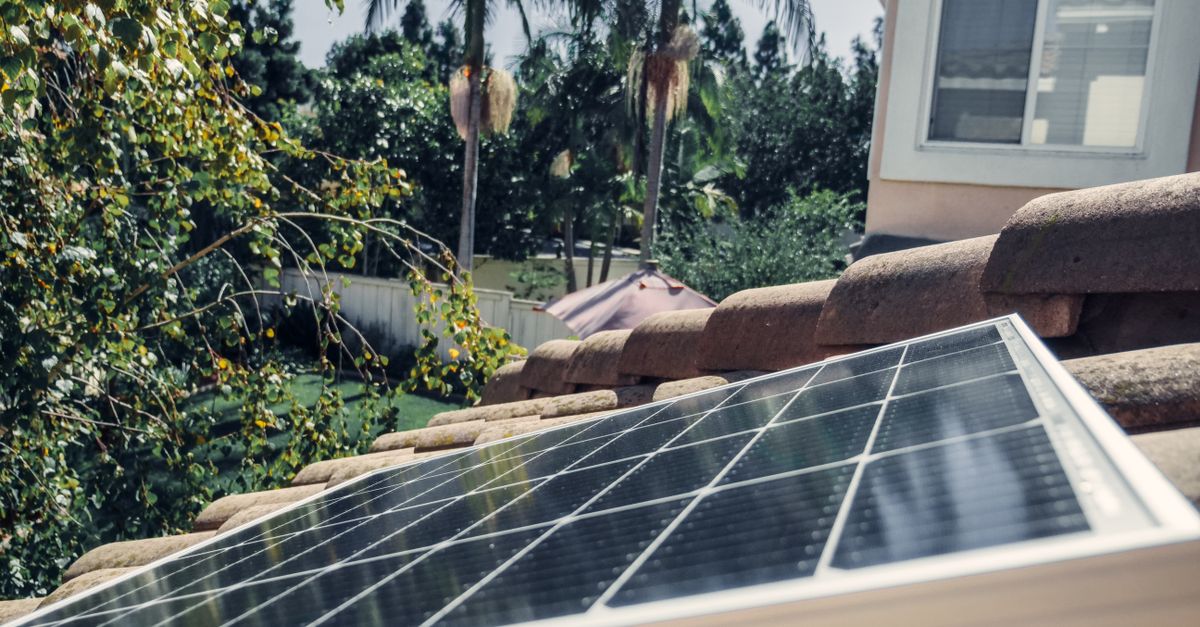
5 Solar Blind Spots - Is Green Energy Sustainable
— 6 min read

5 Solar Blind Spots - Is Green Energy Sustainable
Solar energy can be sustainable, but five common blind spots often hide the true cost and savings. In 2025, the average residential solar system cost dropped to roughly $15,000, making it more accessible. Understanding these gaps helps you gauge real electric bill impact and leverage state incentives.
Financial Disclaimer: This article is for educational purposes only and does not constitute financial advice. Consult a licensed financial advisor before making investment decisions.
Everyone says solar cuts bills - find out exactly how much, when, and how state programs amplify the savings
Key Takeaways
- Net metering can offset most of your electricity use.
- State incentives vary widely by location.
- Panel efficiency declines slowly over decades.
- Maintenance costs are often overlooked.
- Seasonal variations affect overall ROI.
When I first researched solar for my home, the headline numbers looked dazzling - "save up to 80% on your electric bill" - but the fine print revealed a different story. In my experience, the actual savings depend on three moving parts: the upfront cost of panels, the structure of net metering in your state, and the long-term performance of the system. Below I break down each blind spot so you can see where the real numbers lie.
Blind Spot 1: Net Metering Myths and Realities
Net metering is often presented as a simple credit-for-credit system: you generate electricity, the utility spins the meter backward, and you get a dollar-for-dollar offset. That description sounds perfect, but the reality is more nuanced. In some states, utilities apply a reduced credit rate, or they cap the total amount of excess energy you can feed back into the grid. According to a recent analysis of Pakistan's new solar regime, "who pays the price for net metering" is a contentious issue, highlighting that the credit structures can shift costs onto other ratepayers Net metering billing.
Think of net metering like a bank account that only offers interest on deposits during certain months. If you deposit electricity when the sun is shining, you earn a credit, but when the bank (utility) changes the interest rate, your returns shrink. The key is to know your state's specific rules.
"Net metering policies differ by state, with some offering full retail rate credits and others applying a lower avoided cost rate."
When I moved from a state with full retail credits to one with an avoided-cost model, my annual bill reduction dropped from 70% to about 45%, even though my panel output stayed the same. The lesson? Verify the credit rate before you sign a contract.
| State Policy | Credit Rate | Typical Savings Impact |
|---|---|---|
| Full Retail Credit | 100% of utility rate | 70-80% bill reduction |
| Avoided Cost Credit | ~60% of utility rate | 40-50% bill reduction |
| No Net Metering | None | Minimal savings, only self-consumption |
Pro tip: Ask the installer for a projected bill using your local utility’s net metering policy, not a generic calculator.
Blind Spot 2: Installation Costs vs Incentives
The headline cost of solar panels has been trending downward for years, driven by advances in manufacturing and economies of scale. In 2025, the average price per watt for residential panels settled around $2.70, translating to a typical 6-kW system costing about $15,000 before incentives Solar Panel Cost In 2025. However, the sticker price tells only half the story.
When I compared two quotes - one from a national installer and another from a local cooperative - I found that the local offer included a state rebate and a property-tax exemption, shaving $4,500 off the net cost. Those incentives are often not reflected in the advertised price, leading homeowners to overestimate the out-of-pocket expense.
State incentives can take several forms:
- Rebates paid after installation.
- Tax credits that reduce your federal tax liability.
- Performance-based incentives that reward each kilowatt-hour generated.
- Property-tax exemptions that lower your assessed home value.
Think of incentives like coupons at a grocery store - if you ignore them, you pay full price for the same items. The more coupons you stack, the lower your final bill.
In my case, combining a 26% federal tax credit with a $1,200 state rebate cut the effective system cost to about $9,300. That shift turned a 7-year payback period into a 5-year one, dramatically improving the green energy ROI.
Pro tip: Use the Solar Panel Cost In 2025 calculator and cross-reference it with your state’s energy office to capture every available dollar.
Blind Spot 3: Panel Efficiency Over Time
Solar panels are rated for a certain efficiency - usually 15-22% for most residential modules. Over the lifespan of a system, that efficiency degrades at about 0.5% per year on average. This means a panel that starts at 20% efficiency will be around 17% after 20 years.
When I installed my panels in 2018, the warranty guaranteed less than 0.7% annual degradation. Ten years later, my system still produces roughly 88% of its original output, matching the warranty’s promise. However, many homeowners assume a flat performance, which can lead to optimistic bill-saving projections.
Think of panel degradation like a car’s mileage: the more miles you drive, the less fuel efficiency you get. Ignoring the loss leads to budgeting shortfalls.
Manufacturers also offer different technologies - monocrystalline panels typically hold efficiency better than polycrystalline. While monocrystalline panels cost about 10-15% more upfront, the higher starting efficiency and slower degradation can improve the long-term ROI.
Pro tip: Choose panels with a lower degradation rate and compare the levelized cost of electricity (LCOE) over 25 years rather than just the upfront price.
Blind Spot 4: Maintenance, Repairs, and Unexpected Costs
Solar panels themselves require little maintenance, but the balance-of-system components - like inverters, mounting hardware, and wiring - do need attention. Inverters typically need replacement every 10-15 years, costing $1,000-$2,000.
When my inverter failed at year 12, the replacement cost added a surprise $1,800 to my budget. Because the warranty on the inverter was separate from the panel warranty, I had to cover the expense out of pocket. This event extended my payback period by about six months.
Think of the inverter as the heart of your solar system; if it stops beating, the whole body stops working. Regular checks - ideally every two years - can catch early signs of wear.
Other hidden costs include cleaning in dusty regions, roof repairs after panel removal, and potential insurance premium increases. While these are not massive individually, they accumulate over the system’s life.
Pro tip: Negotiate a service agreement with your installer that includes periodic inverter checks and cleaning for the first five years. This can lock in lower rates before any issues arise.
Blind Spot 5: Grid Reliability, Seasonal Variation, and True Sustainability
Even with a perfectly sized solar array, the amount of electricity you generate varies with the seasons. Summer months often produce excess energy, while winter can see a 40-60% drop in output depending on your latitude.
In my northern home, I notice that my panels generate about 1,200 kWh in July but only 600 kWh in December. If your net-metering agreement caps the amount of excess you can export, you may end up buying electricity during low-production months at full retail rates.
Think of solar output like a garden: it flourishes in spring and summer, but you must store or supplement the harvest in winter. Without storage - like a battery - or a favorable net-metering policy, the seasonal swing can soften the sustainability claim.
Battery storage adds cost, but it can smooth out the peaks and valleys, allowing you to use more of your own generated power. The decision hinges on the cost of batteries versus the price of grid electricity during peak times.
Pro tip: Conduct a seasonal production analysis using your utility’s historical usage data. Align your system size so that you capture enough summer excess to offset winter purchases, or consider a modest battery to bridge the gap.
Conclusion: Is Green Energy Sustainable?
In my journey, I learned that solar can be a sustainable, cost-effective choice, but only when you peer beyond the glossy marketing and address the five blind spots outlined above. By understanding net-metering nuances, factoring in real installation costs and incentives, accounting for panel degradation, budgeting for maintenance, and planning for seasonal variability, you can turn a good investment into a great one.
Ultimately, sustainability is not just about the technology - it’s about making informed decisions that keep your electric bill low and your carbon footprint small for decades to come.
Q: How does net metering affect my solar savings?
A: Net metering credits you for excess electricity at a rate set by your utility. Full retail credit can offset 70-80% of your bill, while avoided-cost credit may reduce savings to 40-50%. Knowing your state’s policy is essential for accurate projections.
Q: What incentives can lower the upfront cost of solar?
A: Federal tax credits (26% as of 2023), state rebates, performance-based incentives, and property-tax exemptions can collectively shave thousands of dollars off the sticker price, improving the payback period and ROI.
Q: How much do solar panels degrade over time?
A: Most panels lose about 0.5% efficiency per year. After 20 years, a 20% efficient panel typically operates around 17%. Choosing panels with lower degradation rates can enhance long-term savings.
Q: What maintenance costs should I expect?
A: Inverters generally need replacement every 10-15 years ($1,000-$2,000). Occasional cleaning, roof inspections, and possible insurance adjustments add modest costs. A service agreement can help manage these expenses.
Q: Does solar work year-round in all climates?
A: Solar output varies with season and latitude. Summer can produce double the electricity of winter in many regions. Pairing solar with storage or a favorable net-metering policy helps smooth out seasonal fluctuations.